
Launching today

Geer
Your bike's check engine light powered by Strava
49 followers
Your bike's check engine light powered by Strava
49 followers
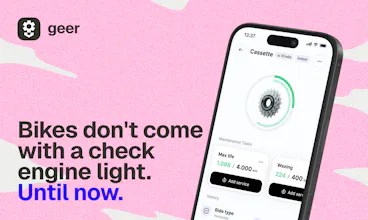
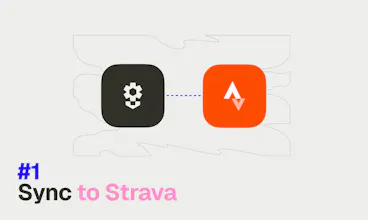
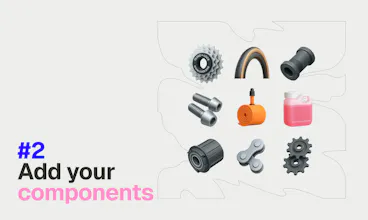
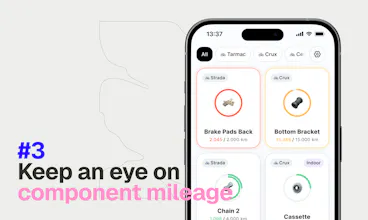
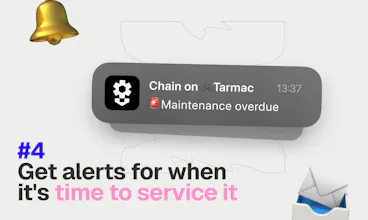
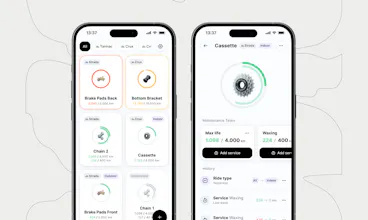
Bikes don't tell you when parts are wearing out — Geer does. Connect Strava, add your components (chain, cassette, brake pads...), and get alerts before things fail. No app store needed — it's a PWA that works on any device. Free to start, Pro for €2/mo. Built in the EU, privacy-first, no ads.



Geer
Hey PH! I'm Ron, one of the founders of Geer. We built this because we got tired of guessing when our components (e.g. chain or cassette) was due for a swap — and spreadsheets weren't cutting it. Geer syncs with Strava, tracks wear on every component, and pings you before things break. It's a PWA so there's no app store install needed. Would love your feedback — what bike maintenance pain points do you have? 🚴
really smart approach connecting to Strava data. most cyclists track rides anyway so using that existing data stream makes total sense. curious how accurate the wear predictions are in practice - are you factoring in riding conditions, power data, or just distance/time?
Geer
@piotreksedzik Thanks 🙏 Great question! Right now we track distance and time intervals — partly because that's what manufacturers base their replacement recommendations on, and partly because it's the most reliable baseline we have.
We're definitely thinking about factoring in power data, weight, elevation, surface type, weather, etc. The data is there through Strava. But here's the honest tension: more variables don't automatically mean better predictions. Without large-scale validated data on how, say, 300W efforts in rain affect chain wear vs. 200W in dry conditions, you risk building a black box that feels smarter but isn't actually more accurate.
There's also a UX question we keep coming back to: do cyclists want an algorithm they have to trust blindly, or do they prefer plain mileage where they understand exactly what's happening and can calibrate based on their own experience? We think there's real value in transparency and control.
One idea we're exploring: keeping plain mileage as the foundation, but offering a smart layer on top that factors in conditions and power data as additional context — something you can turn on if you want it, not something that replaces the numbers you already understand. Best of both worlds, hopefully.
Would love to hear your take and anyone else's. What would make you trust a smarter prediction model?