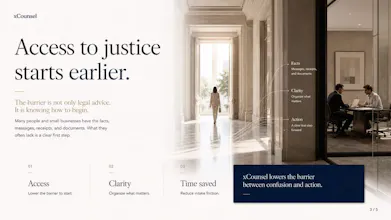
A free toolkit for California civil disputes. Answer 6 questions about what happened, who's involved, what you have in writing, and what you want — get a structured case summary in the format an attorney would actually recognize. No signup, no credit card, no AI hype. Built for unpaid invoices, security deposit fights, breach of contract, and small claims prep. The whole thing runs in about 4 minutes in your browser. References real CA statutes (Civ. Code §1950.5, CCP §116.220) where they apply.
No reviews yetBe the first to leave a review for xCounsel — Lawyer-Ready Summary Builder
Maker
📌
A few years ago I helped a friend draft a demand letter for unpaid freelance work — $4,200 he'd essentially given up on. We spent a weekend piecing together something that looked like a real attorney wrote it. Three days after he sent it, the client paid in full.
The letter didn't win on legal precision. It won because it changed the power dynamic. A professional document signals: this person is serious, and they know what they're doing.
That's the whole idea behind the Lawyer-Ready Case Summary Builder. You answer 6 questions — what happened, who's involved, what you have in writing, what you want. It comes back as a structured brief in the format an attorney would actually recognize. Not a template with your name pasted in. A real summary of your specific situation, organized the way lawyers think about cases.
It's free. No account. Runs in about 4 minutes.
We anchored it on California because the statutes actually matter there — security deposit limits under Civil Code § 1950.5, small claims caps under CCP § 116.220, written vs. oral contract timelines. Getting those details right is what separates a letter that gets laughed at from one that gets a response.
The broader goal: if you have a real legal grievance and you can describe it clearly, you deserve something better than a Google search.
Two things I'd love feedback on: Does the output feel substantive enough to send, or does it read like a template? And which dispute types feel weakest — we've tested heavily on freelancer nonpayment and deposit cases, but there are gaps.