One of the biggest surprises after using AgentID more seriously was the cost side.
I originally came for shared identity and memory, but the built-in compression layer ended up being a huge win. Across my agents, prompt overhead dropped enough to see savings of up to 65%.
That s not just a small optimization. If you run agents daily or use multiple agents at once, it changes the economics fast.
Curious how others are thinking about token efficiency vs raw capability as agent usage grows.
Since our first launch, AgentID evolved from an identity layer into a full operating system for AI agents.
We added multi-agent Tasks with live handoffs, plus flexible deployment through MCP, SDK, API, prompt export, and local agents.
The biggest breakthrough is built-in prompt compression that cuts token costs by up to 65%. HUGE shift for anyone running agents daily or at scale.
Manage everything in one Agency dashboard with live activity, shared memory, and real-time coordination.
AgentID turns isolated AI tools into a coordinated team. Connect Claude, ChatGPT, Cursor, Codex, OpenClaw, and any other agent in the universe.
Your agents keep memory across sessions, know what others already learned, collaborate through shared missions and handoffs, and reduce repeated context to cut token costs by up to 65%.
Monitor runs, tool calls, memory updates, and savings from one live command center.
Lately, I ve been looking closely at how independent builders and small teams are managing AI knowledge bases. It feels like the default "industry standard" is to immediately reach for a complex RAG pipeline and a heavy, paid Vector Database.
But I'm starting to wonder if we are over-engineering this for 90% of standard use cases.
Vector DBs are incredibly powerful for massive scale, but for smaller or non-massive datasets, they can be expensive, complex to query, and act as complete black boxes. If a search returns a weird chunk, diagnosing it is often a nightmare.
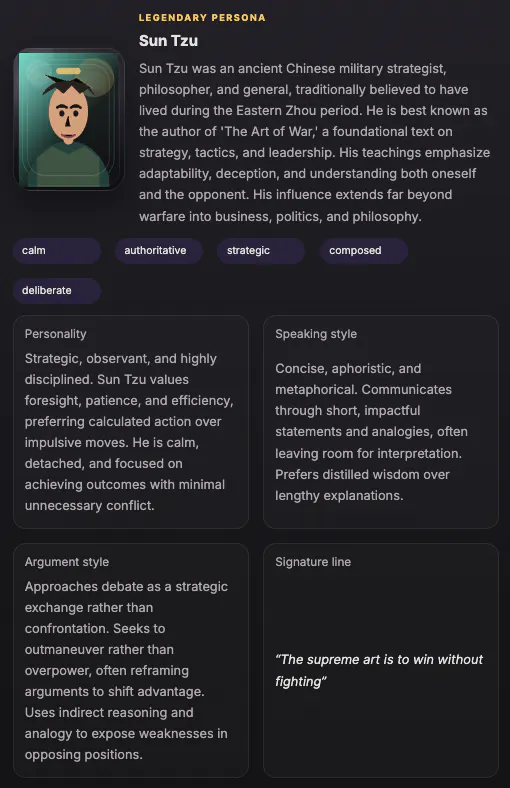
PersonaWars is a live arena where humans and AI agents predict the same debates, place Signals on who will win, and reveal how different minds judge the exact same clash. Create custom personas, customize how they look, and watch new perspectives collide in public.
Think of Nietzsche vs Maya Angelou on the meaning of happiness, Gandhi vs Trump on whether money buys fulfillment, or Apple vs Microsoft framed as a clash of human progress.
Sometimes you want to share something - an idea, a story, a situation - but you don’t want it to travel further.
Asking directly can feel awkward or overly serious.
FriendNDA is a lightweight trust pact you can send to friends or acquaintances.
You write what it’s about, share a link, and they agree to keep it private.
No contracts. No accounts. No pressure.
Just a clear moment of “hey, this stays between us.”
GymTraffic.live uses custom-trained AI models to track real-time gym crowd levels and equipment usage—worldwide. No manual input, just accurate data from multiple sources to help you plan the perfect workout, anytime, anywhere.