
Give your brain a break

Sitting at a computer all day gets monotonous and overwhelming real fast. Productivity flies out the window. Work piles up. Panic ensues.
Like many of us, maker Dmitry Pushkarev felt fatigued by the end of his workday. So, Sidekick Browser 2.0 was born. Despite having a successful first launch in 2020, Pushkarev wanted to offer more. He noticed an increasing number of people with ADHD were extending their kudos to Sidekick as a browser that “fits their special traits.” That inspired V2 of Sidekick; “regaining focus” for users became Pushkarev and his team’s “north star.”
“As Sidekick helps people with concentration disorders, we believe it will also benefit others who live in a world where attention is the most valuable currency,” said Pushkarev.
The new version of Sidekick is equipped with features like workspaces, focus mode, multi-accounts, synchronization, and more. You can turn your most-used sites into apps and keep them in your browser’s sidebar, and declutter your tabs. The “workspaces” feature separates your work apps, sessions, and docs from your personal ones. With focus mode, you can mute notifications and automatically sync your status to apps like Slack and Messenger.
Since neurodivergent folks typically face discrimination and stigmas in the workplace, we love to see makers trying to create a level playing field for everyone. Skeema (another browser tool) and the all new Spark (for email) are just a few other examples of productivity tools that can help neurodivergent and neurotypical adults alike.
-
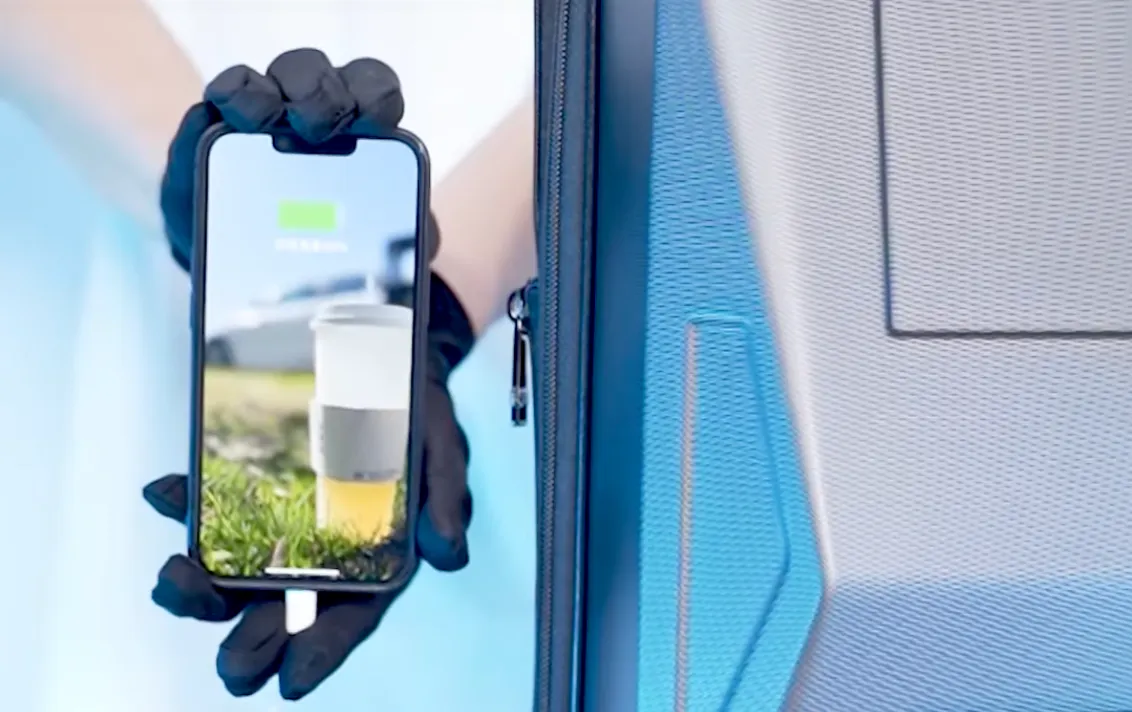
Cyberbackpack 2.0 is a backpack that can charge your devices.
-
Deepstash 2.0 helps you read more in less time by offering bite-sized knowledge from books, articles, podcasts, and videos.
-
Got a bug? Bird Eats Bug 2.0 helps you create bug reports and end-to-end tests with a few clicks.
-
Storytelling 🤝 video content. Visla helps teams record, edit, and share videos.
Your agents stopped answering and started doing
Your agents call tools, write to databases and move money, so a wrong answer is now a wrong action, which is a considerably worse meeting. Arcjet runs policy before every LLM call, tool call, query and API request: prompt injection, sensitive data, bots, rate limits, spend quotas, and your own rules in Rego on top. It reads the OpenTelemetry you already emit, so switching it on is one environment variable, no code changes and nothing to deploy. Each check also reads the earlier steps in the same workflow, so an agent's tenth action gets judged against the first nine and not on its own. JavaScript, Python and Go SDKs all at 1.0, agent framework guards included, free tier to start on.
Daily Top Products


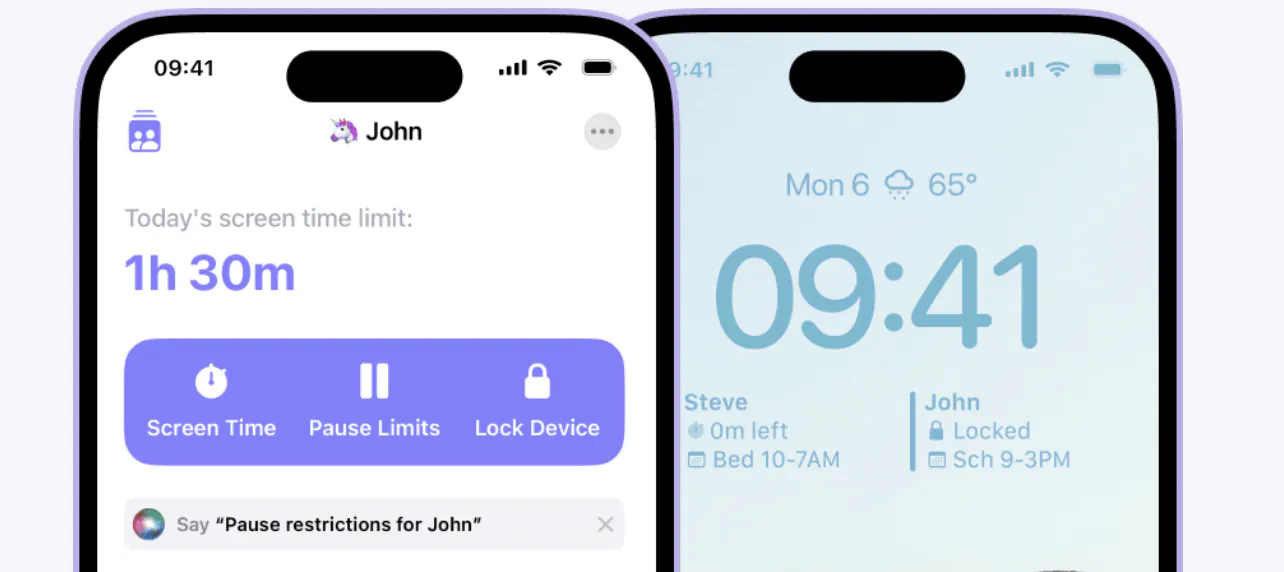
Grace for iOS 16 helps parents track their child’s screen time remotely from their lock screen, control the child’s device, and restrict certain apps.
What can’t iOS widgets do?