
Listen up, AI’s about to drop a new album.
In today’s newsletter: recent developments in AI-generated music and what they might mean for artists.
Is AI-generated music going viral next?

Musical ability: nature or nurture?
Soon enough, it might not really matter. You’ve heard about AI writing articles, essays, and viral LinkedIn posts. But what about music? While the topic might strike a chord (pun intended) for technophiles, AI-generated music, like many of the other areas AI touches, can become litigious real quick.
A fun tool that generates Drake songs about anything in under a minute launched a couple of days ago. drayk.it uses GPT-3 to write the lyrics based on the prompt you give it. With the help of voice synthesis and “some music magic sauce,” it generated a song about launching on Product Hunt.
While chatGPT and DALL-E were all the rage this past year, let’s not forget about OpenAI’s MuseNet from 2019. The deep neural network powered by GPT-2 generates 4-minute musical compositions with ten different instruments and can combine styles from country to Mozart to the Beatles.
Google’s been a player in the space, too. While we might’ve not heard much about Magenta Studio lately, just yesterday, the Google Research team published a paper on MusicLM. The model generates 24 kHz music from rich captions such as “The main soundtrack of an arcade game. It is fast-paced and upbeat, with a catchy electric guitar riff. The music is repetitive and easy to remember, but with unexpected sounds, like cymbal crashes or drum rolls.”
We’re about to see a lot of debate around IP laws. Who owns machine-generated music? Those who write the code and process the data? Those who write the prompts? As Robin Thicke would say, “I hate these blurred lines.”
Your agents stopped answering and started doing
Your agents call tools, write to databases and move money, so a wrong answer is now a wrong action, which is a considerably worse meeting. Arcjet runs policy before every LLM call, tool call, query and API request: prompt injection, sensitive data, bots, rate limits, spend quotas, and your own rules in Rego on top. It reads the OpenTelemetry you already emit, so switching it on is one environment variable, no code changes and nothing to deploy. Each check also reads the earlier steps in the same workflow, so an agent's tenth action gets judged against the first nine and not on its own. JavaScript, Python and Go SDKs all at 1.0, agent framework guards included, free tier to start on.
Daily Top Products


-
Casper adds GPT-3 to your iPhone’s keyboard.
-
Oura 🤝 Apple. You can now view your Oura Sleep and Readiness Scores, as well as when your Oura ring needs a charge, from your iPhone Lock Screen or Apple Watch face.
-
“If r/InternetIsBeautiful was a newsletter.” Internet Is Beautiful is a community-generated resource of the most interesting and useful websites.
-
Followup Fish is an email service that reminds you to follow up on emails by bubbling them back to the top of your inbox.
-
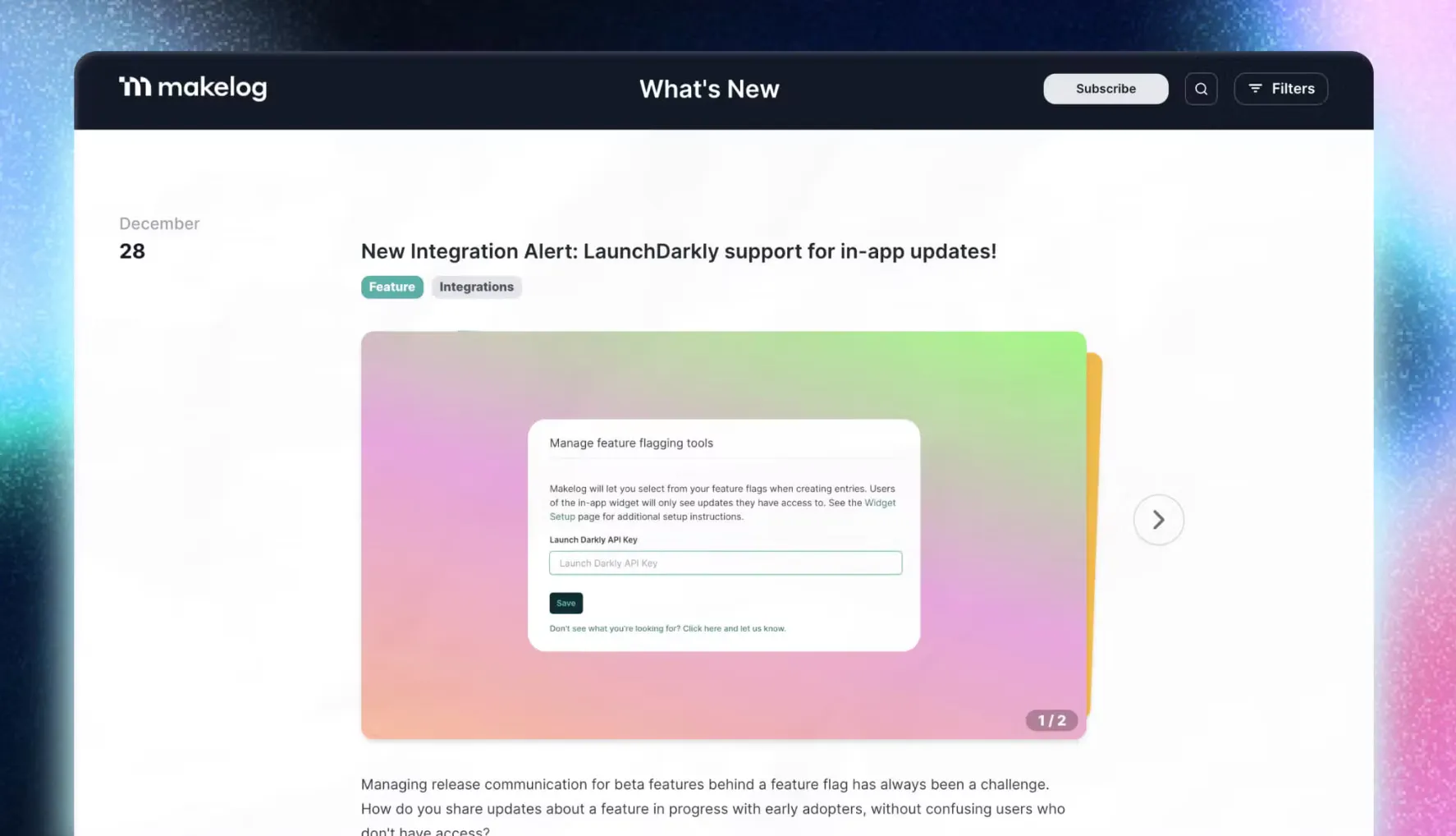
Makelog helps you generate changelogs using GPT-3 and context you're already created in apps like Linear, Jira, and GitHub.
-
Check out these examples, tips, best practices, tools, and resources for building a great help center.
-
Pitchdeck Challenge is a 10-day email challenge that guides you through creating an effective pitch deck for your ideas.