
gm legends ✨
Happy Friday and welcome back to the Leaderboard, the newsletter that makes you go "woah!" In today's issue, we're diving into a tool that makes tracking down bugs much easier, an app for all you Wikipedia addicts out there, and a tool that could make designers and developers best friends. Let's go.
A developer's best friend
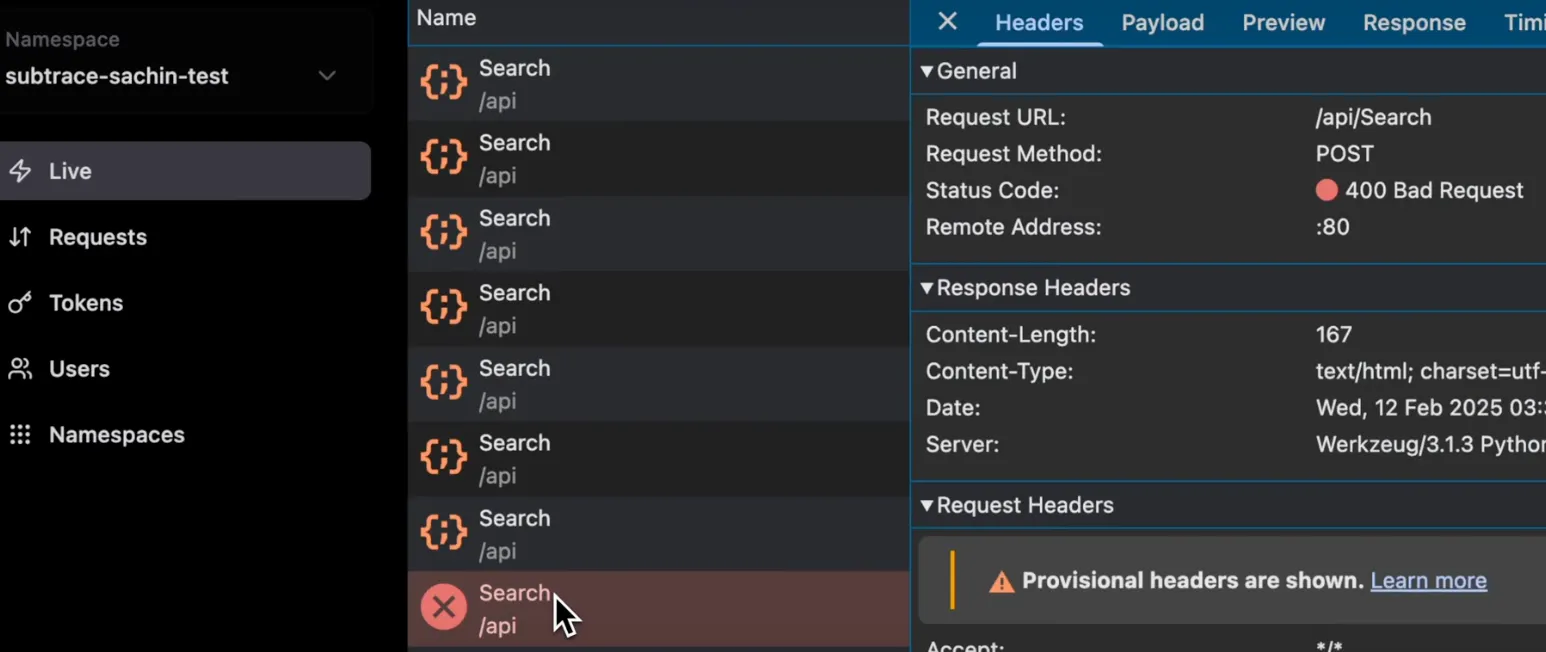
Subtrace connects your backend to Chrome DevTools, making it easier to track down the exact requests causing issues in production. Instead of digging through logs, you get a more intuitive way to debug when things go wrong.
🔥 Our take: Backend monitoring tools throw a lot of data at you, but finding the right request in a sea of logs is a headache. Tying everything into Chrome DevTools could make debugging way smoother—assuming it actually plays nice with real-world workloads.
Doomscrolling but educational

Rabbithole turns searching for answers into an open-ended exploration. Instead of just giving you a result, it guides you through follow-up questions, nudging you deeper into a topic. Whether you’re researching something specific or just chasing curiosity, it’s built to help you see unexpected connections along the way.
🔥 Our take: Most searches are about getting a quick answer and moving on, but some of us like to get lost along the way. Rabbithole nudges you deeper with AI-generated follow-up questions, turning a simple search into a winding exploration. If you’ve ever spent hours jumping between Wikipedia pages, this might be your new favorite way to learn.
No more design headaches

Figr Identity helps teams set up and manage design systems without the usual manual work. It generates design tokens, components, and variants in minutes, keeping everything consistent across projects. Instead of spending hours maintaining styles and making sure everything matches, designers and developers can focus on building—without the constant back-and-forth.
🔥 Our take: Keeping a design system in sync is a pain, especially when teams are moving fast. Automating the setup and maintenance sounds great, but the real test is whether it actually fits into existing workflows without adding more complexity. If it works, it could save teams a lot of time—and a lot of Slack messages about inconsistent buttons.
Join us in San Francisco

San Francisco’s most daring innovators are stepping into the spotlight – are you ready to witness the future? This is the event where founders, builders, and dreamers bring their biggest ideas to life! The GenAI Collective and Product Hunt are making it happen – again! Join us on March 26th in the AWS GenAI loft for a night of awesome demos, food, drinks, and networking. RSVP quick because these spots go fast!
Your agents stopped answering and started doing
Your agents call tools, write to databases and move money, so a wrong answer is now a wrong action, which is a considerably worse meeting. Arcjet runs policy before every LLM call, tool call, query and API request: prompt injection, sensitive data, bots, rate limits, spend quotas, and your own rules in Rego on top. It reads the OpenTelemetry you already emit, so switching it on is one environment variable, no code changes and nothing to deploy. Each check also reads the earlier steps in the same workflow, so an agent's tenth action gets judged against the first nine and not on its own. JavaScript, Python and Go SDKs all at 1.0, agent framework guards included, free tier to start on.
Daily Top Products


