
Skip the VC coffee
gm builders, happy Thursday.
Today’s picks: a no-hype path to backing early-stage startups from day one; a mood-reading music player that watches your face and handles the vibe check for you; and a bug-capturing tool that quietly watches your screen and saves the clip the second something breaks.
Pour the coffee, shake off the tabs, and get into it.
P.S. Launching soon? We’d love to hear about it → editorial@producthunt.co 🫶
Funding, minus the pitch

Long is a permissionless platform that lets anyone fund and support ambitious startups from day one. Built for long-term value creation, it ensures fair access to early-stage projects without the typical hype or insider advantages.
🔥 Our Take: The startup world is still built around knowing the right people. Long tries to bulldoze through that, giving early-stage founders a way to raise without being in the right Slack. But visibility cuts both ways: if no one bites, the silence is public too. Still, better than begging a VC for a coffee.
Your vibe, auto-tuned
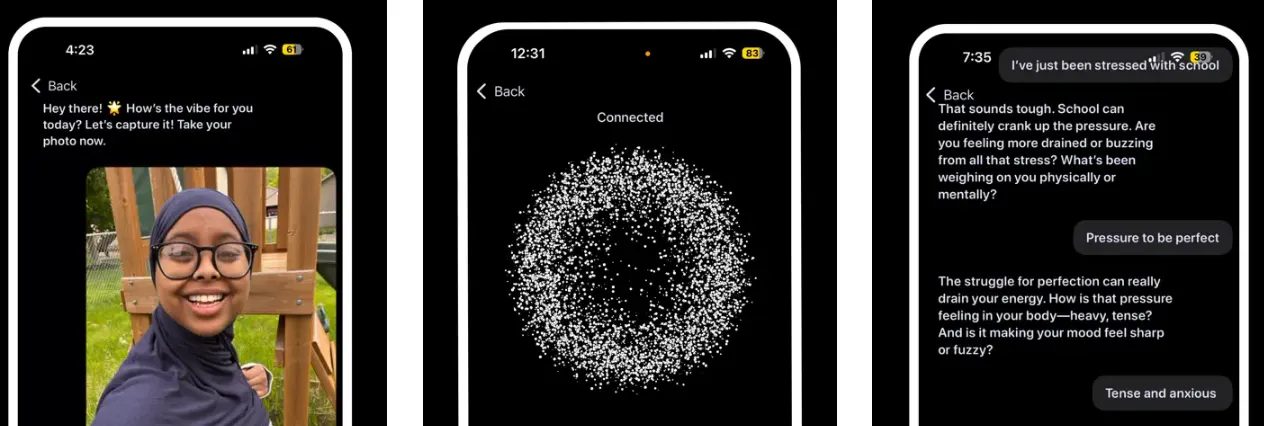
Jammy Chat uses your camera to read your expression and instantly builds a playlist to match. Sad? Chill? Blank stare at 2am? It picks up on the cues and cues up the tracks, no typing, no swiping, no pretending you know what you want to hear.
🔥 Our Take: The tech’s cool, but what sticks is how quickly it cuts through the “what should I listen to” spiral. It's not psychic, just surprisingly good at turning a look into a mood and a mood into music. When it works, it really works.
Your agents stopped answering and started doing
Your agents call tools, write to databases and move money, so a wrong answer is now a wrong action, which is a considerably worse meeting. Arcjet runs policy before every LLM call, tool call, query and API request: prompt injection, sensitive data, bots, rate limits, spend quotas, and your own rules in Rego on top. It reads the OpenTelemetry you already emit, so switching it on is one environment variable, no code changes and nothing to deploy. Each check also reads the earlier steps in the same workflow, so an agent's tenth action gets judged against the first nine and not on its own. JavaScript, Python and Go SDKs all at 1.0, agent framework guards included, free tier to start on.
The bug button they’ll actually use

Bugdrop adds a draggable button to your site so anyone can report a bug right on the spot. They just drop it on what’s broken, type a note, and you get everything—screenshot, browser info, console logs—without them needing to do anything else.
🔥 Our Take: Most bug tools are built like users are QA testers. They’re not. Bugdrop keeps it dead simple, so you actually get the reports you need, from the people who usually bounce.
Stop the feature bloat

Parth Ahir asked, “How do you avoid feature bloat while still listening to your users?”
Gin Tse says focus on paying customers—build only what moves the needle, and let free users’ ideas wait. Yi Zheng warns against adding features for their own sake; group feedback by the problem and tackle that instead of chasing every request. Aayaz Gul stresses ruthless pruning—every new feature should replace something else to keep the product lean.
Worth a skim if your roadmap is starting to feel like a junk drawer.
Daily Top Products


