
The Leaderboard
by Product Hunt
Tuesday, Feb 24
Tuesday, Feb 24
Screens from a sentence
gm legends, happy Tuesday.
Stitch by Google turns a quick text idea into real UI you can push into Figma or code, Falconer tries to remember why your codebase is weird by stitching together PRs, tickets, and docs into one brain, and Forum lets you trade on what the internet actually cares about instead of pretending it is all about revenue.
UI from a sentence
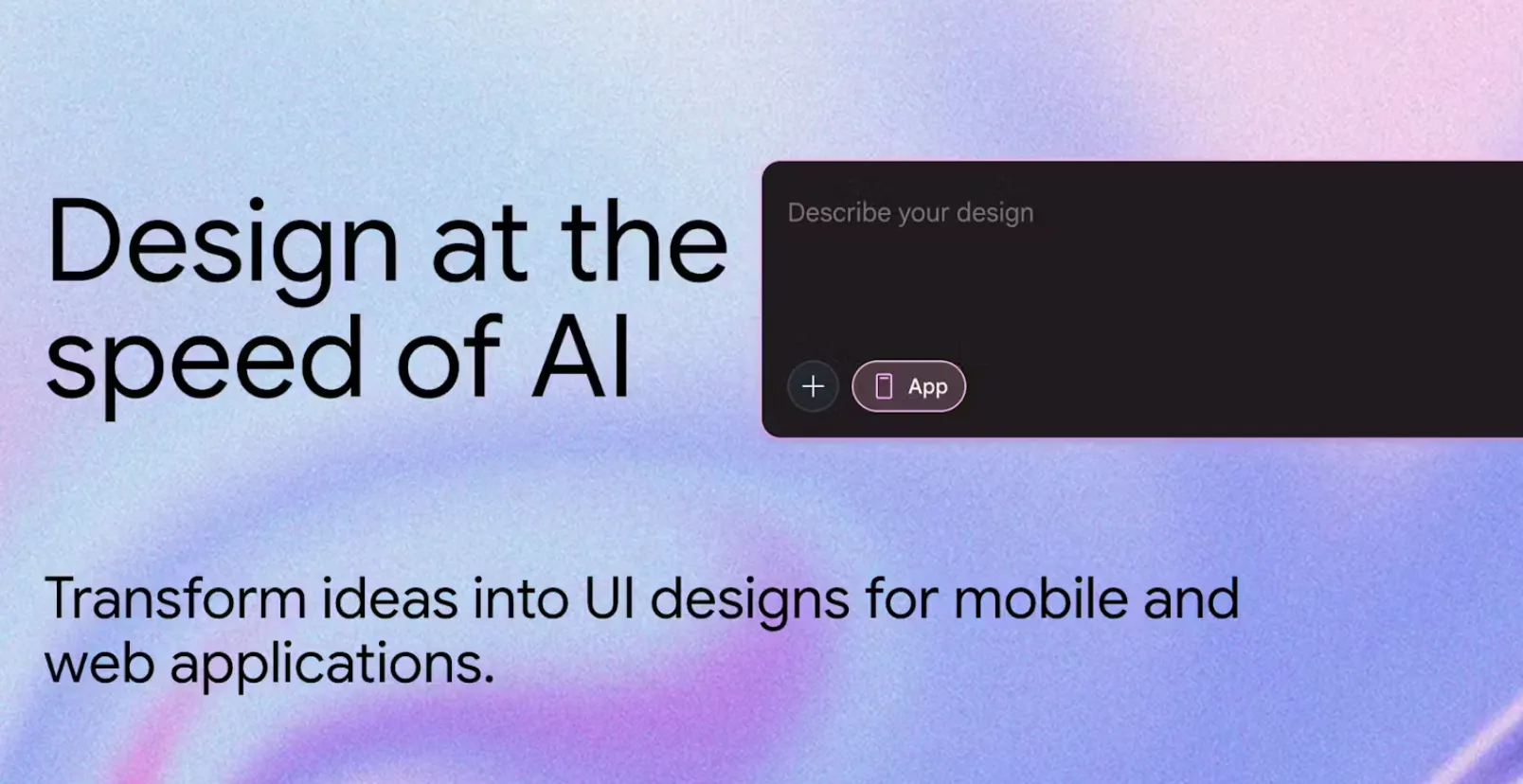
Stitch by Google Labs is an AI design tool that turns text prompts or rough wireframes into responsive UI for web and mobile. It runs in the browser, uses Google’s Gemini models under the hood, and can export clean HTML/CSS plus layouts straight into Figma so designers and devs can keep working in their usual tools.
🔥 Our Take: This is Google pointing an AI firehose directly at the design-to-dev gap. You describe a screen, get something decent, then push it to Figma or code instead of redrawing the same layouts for the hundredth time. Designers will say it is just for rough drafts, but a lot of early teams are going to treat this as their first designer.
How many agents is too many

Derek started a thread after Boris Cherny shared tips on using Claude Code, including one big one at the top of his list: run a lot of codes in parallel. Boris himself runs 10–15 at a time, which prompted Derek to ask everyone else where they are landing.
He is basically trying to map the new normal. Are people running one or two Claude Codes and babysitting them, or spinning up a whole flock at once and managing them like a mini team. And for folks in that second camp, what setups and habits actually make it workable instead of pure chaos.
Remember all the context
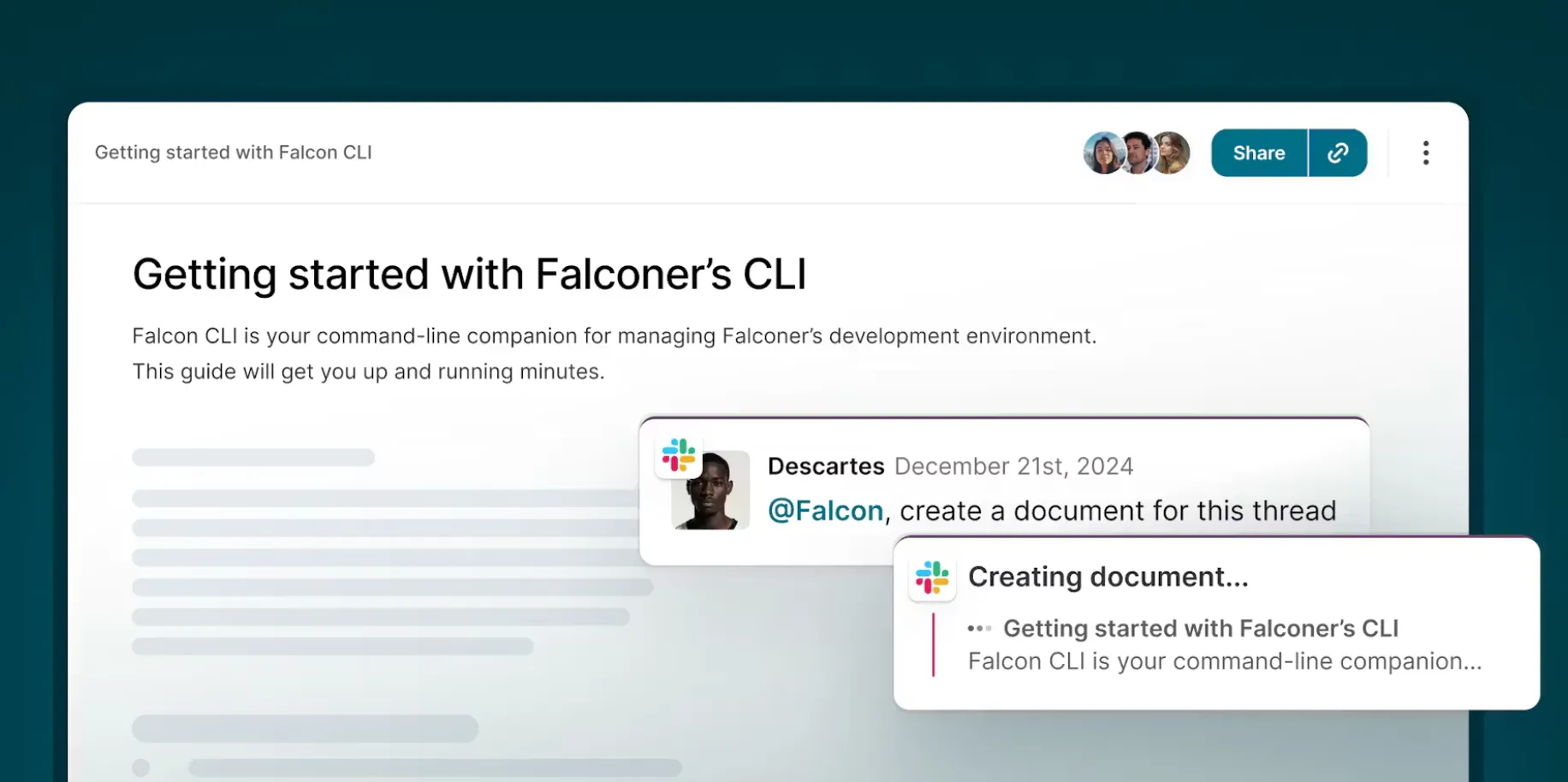
Falconer is a shared memory layer for fast moving engineering teams. It connects to GitHub, Slack, Linear, and your docs, then turns code, PRs, and threads into living documentation you can search. You can ask what changed, why a decision was made, spin up onboarding guides or changelogs from real history, and it keeps docs in sync when the code moves.
🔥 Our Take: Every team has that one person who just knows why everything in the codebase is slightly cursed. Falconer is basically trying to bottle that brain for everyone, humans and agents included, by watching where work actually happens instead of pretending people lovingly update wiki pages at the end of the day, which we both know, nobody does.
Trade vibes, not stocks
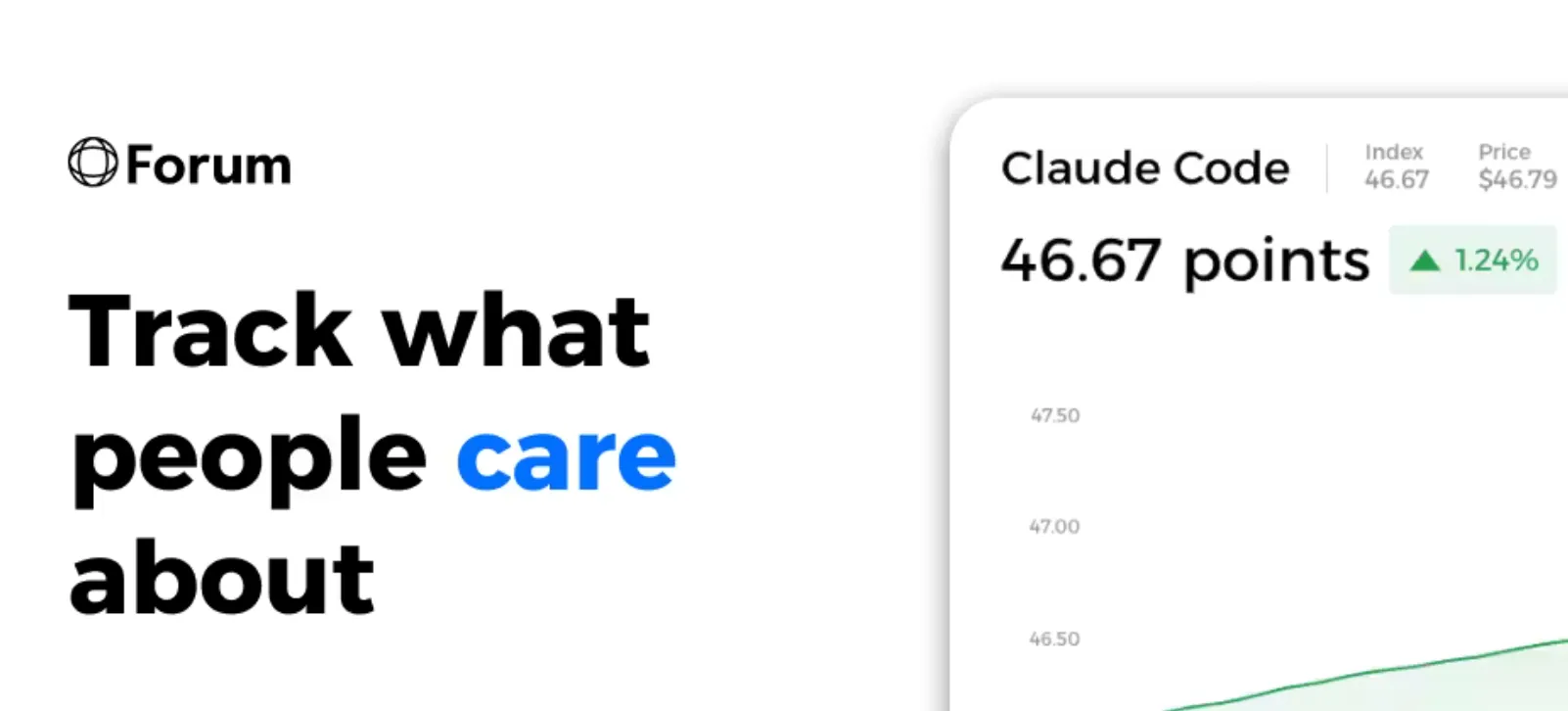
Forum is a regulated market where you trade on how relevant things are, not how much revenue they make. It tracks online engagement around topics like AI, artists, sports, or politicians and turns that into prices you can go long or short on over time. There is no event to settle, just popularity going up or down, with real money trading coming once regulators sign off and weekly prize leaderboards in the meantime.
🔥 Our Take: This is pure internet brain turned into a market. You finally get a scoreboard for all the “I called that trend early” talk, and yes, the idea of shorting overhyped stuff purely out of spite is very on brand for the timeline. Somewhere between fun and mildly dangerous, which is exactly why people will flock to it.
Daily Top Products


Monday through Friday
Our ultra-fast Daily: Three takes on new products. Yesterday’s top ten launches. That’s it.