
The Leaderboard
by Product Hunt
Thursday, Apr 23
Thursday, Apr 23
Become your most Pixar self
gm legends, happy Thursday.
Reloop is about to turn me into a Pixar dad instead of finishing actual work, Docsio is trying to make docs less of a whole thing, and Ora is just casually translating conversations in real time like that’s normal now.
Pixar as a service

Reloop Animation Studio lets you make animated marketing videos just by chatting through the idea. Pixar, 3D clay, manga, ultra-real — you pick the vibe, it builds the creative plan and generates the video. No prompts, no design tools, no animators.
🔥 Our Take: This is going to be a problem. I’m meant to be making marketing assets and instead I’m going to spend the next hour turning myself into
Docs from a URL, not a blank page

Docsio turns a website or product URL into a full documentation site. It pulls the structure, branding, and content together for you, then lets you keep editing and refining it from there.
🔥 Our Take: Nobody wakes up excited to write docs. It is always the thing you mean to get to after the product is ready, right up until support starts piling up and onboarding gets messy. Starting from an actual docs site instead of a blank page makes that whole job feel way less painful.
A live translator on your Mac
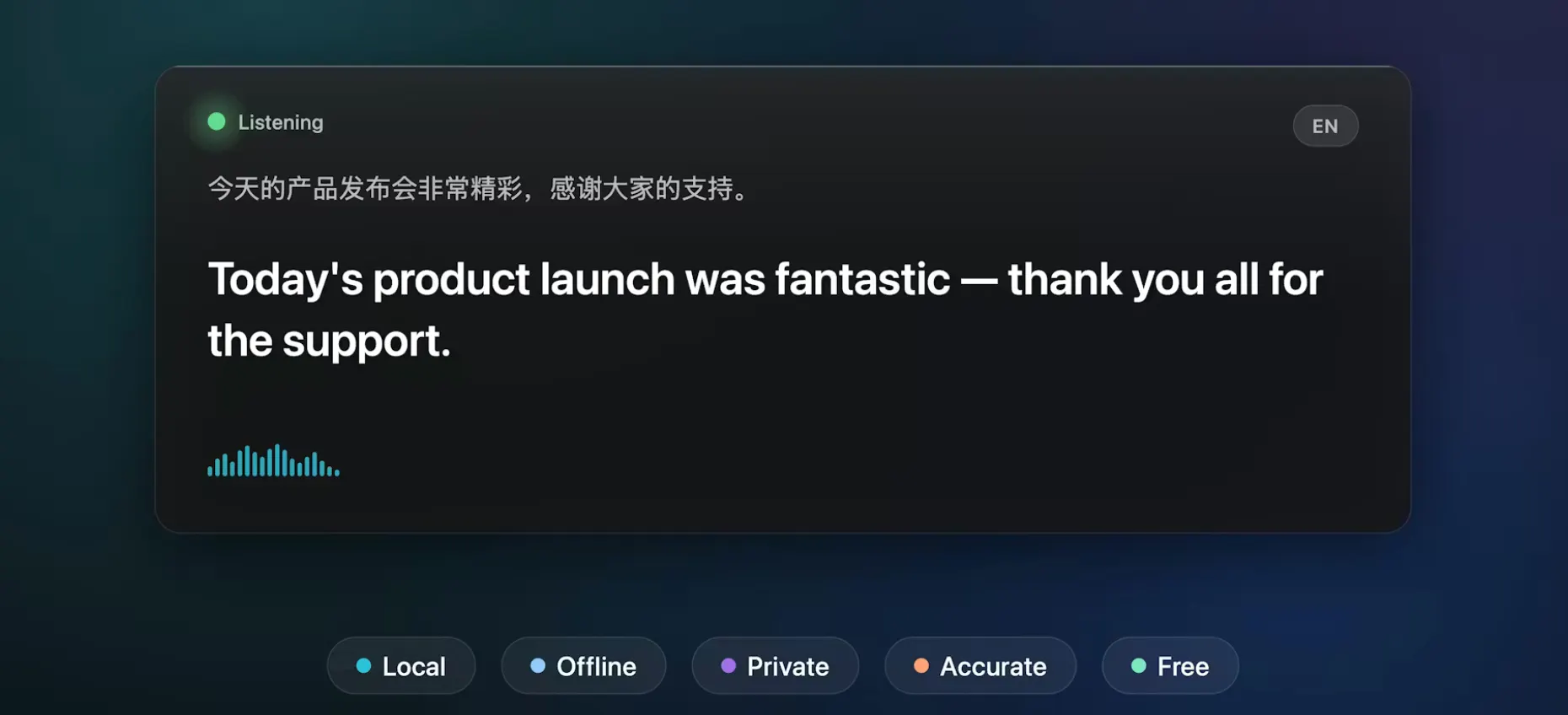
Ora puts a real-time interpreter on your laptop. You speak, it translates as you’re still talking, streaming captions instantly in a floating window. Runs fully on-device, no cloud, no account, and works offline once the model is downloaded.
🔥 Our Take: This is one of those things that feels kind of absurd until you use it. You’re mid-conversation, switching languages on the fly, and it just keeps up. No “wait, let me translate that,” no lag, just talk and it handles the rest.
Technical debt is fine… until it isn’t

Imed from Rankfender shared a study of 100 startups that hit a scaling wall, looking at how technical debt actually plays out over time.
The pattern is pretty clear:
- early on, debt helps you move faster
- later, it quietly becomes the thing slowing everything down
Teams that ignored it didn’t crash immediately. They just got slower. Features took longer, bugs piled up, and eventually progress started to stall.
The uncomfortable bit: most founders know they’re taking shortcuts, they just assume they’ll fix it later. The study basically says later comes faster than you think.
So it’s not “avoid technical debt.” It’s knowing when it flips from speed boost to bottleneck.
Good thread if you’re currently saying “we’ll clean it up after this sprint.”
Daily Top Products


Monday through Friday
Our ultra-fast Daily: Three takes on new products. Yesterday’s top ten launches. That’s it.