The Roundup
Everything you missed this past week on Product Hunt: Top products, spicy community discourse, key trends on the site, and long-form pieces we’ve recently published.
NEW from Apple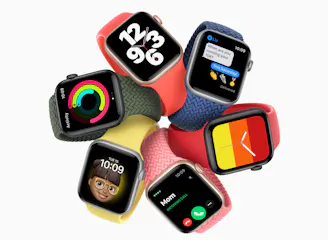
In an unusual time, Apple held an unusual virtual Fall event revealing new hardware and software, but leaving out the much anticipated iPhone.
Here's a quick recap of the highlights ICYMI:
⌚️ Watch SE is a new, more affordable watch (starting at $279) with fall detection, advanced fitness features, and Family Setup with watchOS 7.
🩸 Watch Series 6 expands the health capabilities of previous models with a new feature measuring blood oxygen levels. Should be available from Sep 18, starting at $399.
✏️ iPad 8th Gen features the Neural Engine, updated hardware, and a low price tag of $329 for the basic model.
🆔 New iPad Air features an all-new and larger screen design (similar to iPad Pro), next-generation Touch ID and it comes in a bunch of pretty colors. Should be available next month starting at $599.
🏃♂️ Fitness+ is a new personalized fitness experience built for Apple Watch and can be used in combination with iPhone, iPad, or Apple TV. Clear launch date is not yet available, but Apple promised it’s arriving later this year.
🍏 Apple One offers Music, TV+, Arcade, News+, Fitness+, and iCloud in one simple plan promising you the biggest bang, binge, and blast for your buck. Launching later this Fall with a starting price of $14.99/mo.
And finally, the new iOS updates (iOS 14, iPadOS 14, and WatchOS 7) are coming today across the Apple device lineup around the world.
TLDR; Apple revealed new Watch Series 6 and SE, updated iPad, redesigned iPad Air, and announced Fitness+ and Apple One subscriptions.
What are you most excited about?
Here's a quick recap of the highlights ICYMI:
⌚️ Watch SE is a new, more affordable watch (starting at $279) with fall detection, advanced fitness features, and Family Setup with watchOS 7.
🩸 Watch Series 6 expands the health capabilities of previous models with a new feature measuring blood oxygen levels. Should be available from Sep 18, starting at $399.
✏️ iPad 8th Gen features the Neural Engine, updated hardware, and a low price tag of $329 for the basic model.
🆔 New iPad Air features an all-new and larger screen design (similar to iPad Pro), next-generation Touch ID and it comes in a bunch of pretty colors. Should be available next month starting at $599.
🏃♂️ Fitness+ is a new personalized fitness experience built for Apple Watch and can be used in combination with iPhone, iPad, or Apple TV. Clear launch date is not yet available, but Apple promised it’s arriving later this year.
🍏 Apple One offers Music, TV+, Arcade, News+, Fitness+, and iCloud in one simple plan promising you the biggest bang, binge, and blast for your buck. Launching later this Fall with a starting price of $14.99/mo.
And finally, the new iOS updates (iOS 14, iPadOS 14, and WatchOS 7) are coming today across the Apple device lineup around the world.
TLDR; Apple revealed new Watch Series 6 and SE, updated iPad, redesigned iPad Air, and announced Fitness+ and Apple One subscriptions.
What are you most excited about?


The most anticipated app of 2020
The summer may be coming to an end for some, but this doesn't mean summer vibes need to be over too.
Last week, Poolside FM launched its hotly anticipated iPhone app. Now you can enjoy summer vibes all day, every day.
If you’re familiar with Poolside FM, you already know it’s an instant download. If you’ve never heard of it, well, you can thank me later 😉.
Starting out as an experimental web player, Poolside FM is a summer music radio station that pairs nostalgic retro graphics from the 80s with feel-good electro and disco tunes. You can listen to 5 different channels: Poolside FM, Indie Summer, Hangover Club, Tokyo Disco, and Friday Nite Heat.
Trust us, this app is rad. Just look at what the community has to say about it:
“TODAY IS A GOOD DAY!!!” – Razzy Lee
“I've paid yearly for Spotify and not using it for 3 months because of Poolside FM. Great for background music while working. 🌴” – Yigit Pinarbasi
“App is snappy AF and UX of the app is also great! I already replaced the spotify app I had in my iphones dock with poolside. Rock on!” – Ignacio
“Me: I want to catch the last bit of summer fun with Poolside FM Poolside FM: summer now lasts all year long!” – Jun Gong
Poolside may become your favorite place to chill and take a break from 2020.
Best of all, it's free.
Last week, Poolside FM launched its hotly anticipated iPhone app. Now you can enjoy summer vibes all day, every day.
If you’re familiar with Poolside FM, you already know it’s an instant download. If you’ve never heard of it, well, you can thank me later 😉.
Starting out as an experimental web player, Poolside FM is a summer music radio station that pairs nostalgic retro graphics from the 80s with feel-good electro and disco tunes. You can listen to 5 different channels: Poolside FM, Indie Summer, Hangover Club, Tokyo Disco, and Friday Nite Heat.
Trust us, this app is rad. Just look at what the community has to say about it:
“TODAY IS A GOOD DAY!!!” – Razzy Lee
“I've paid yearly for Spotify and not using it for 3 months because of Poolside FM. Great for background music while working. 🌴” – Yigit Pinarbasi
“App is snappy AF and UX of the app is also great! I already replaced the spotify app I had in my iphones dock with poolside. Rock on!” – Ignacio
“Me: I want to catch the last bit of summer fun with Poolside FM Poolside FM: summer now lasts all year long!” – Jun Gong
Poolside may become your favorite place to chill and take a break from 2020.
Best of all, it's free.


This app summarizes your emails using GPT-3
Last month, college student Liam Porr tricked everyone and went viral on Hacker News with a GPT-3 generated fake blog post. In his own words, “it was super easy, actually, which was the scary part.”
We’ve seen a ton of GPT-3 powered projects since it was introduced by OpenAI in July. Last week, scientist and maker, Samanyou Garg launched another one: Magic Email, an app that summarizes and generates emails using AI.
The creator of previously well-received TLDR This extension returned with a GPT-3 powered email assistant that summarizes and generates professional emails from one-liners. It’s currently in beta, join now to get early access.
Whether it’s fake news or smart algorithms, AI is taking over communication. With tools like GPT-3, there will be even more innovation and viral stunts.
From email summaries, narrated podcasts, copywriting to networking, AI is capable of replacing boring time-sucking communication habits.
Here are some other promising AI-powered products from the community:
IdeasAI is an AI-powered startup idea generator
Say Less works inside Gmail so you can write shorter emails with AI.
Kriya AI finds relevant professionals and writes smart email intros.
VWO Humans vs AI is a competition to test GPT-3 generated web copy against humans.
Kafkai is a fully AI-powered unique content generator.
Podcastle converts to natural human speech podcasts using machine learning.
GPT-3 Job Description Rewriter does exactly what it says using OpenAI's GPT-3 model.
LALAL.AI uses AI to split any song into vocal and instrumental tracks.
Shortly is an AI creative writing assistant generating new creative plots and story developments.
We’ve seen a ton of GPT-3 powered projects since it was introduced by OpenAI in July. Last week, scientist and maker, Samanyou Garg launched another one: Magic Email, an app that summarizes and generates emails using AI.
The creator of previously well-received TLDR This extension returned with a GPT-3 powered email assistant that summarizes and generates professional emails from one-liners. It’s currently in beta, join now to get early access.
Whether it’s fake news or smart algorithms, AI is taking over communication. With tools like GPT-3, there will be even more innovation and viral stunts.
From email summaries, narrated podcasts, copywriting to networking, AI is capable of replacing boring time-sucking communication habits.
Here are some other promising AI-powered products from the community:
IdeasAI is an AI-powered startup idea generator
Say Less works inside Gmail so you can write shorter emails with AI.
Kriya AI finds relevant professionals and writes smart email intros.
VWO Humans vs AI is a competition to test GPT-3 generated web copy against humans.
Kafkai is a fully AI-powered unique content generator.
Podcastle converts to natural human speech podcasts using machine learning.
GPT-3 Job Description Rewriter does exactly what it says using OpenAI's GPT-3 model.
LALAL.AI uses AI to split any song into vocal and instrumental tracks.
Shortly is an AI creative writing assistant generating new creative plots and story developments.


Clippy for every website 📎
M-Files survey shows that 83% of employees recreate existing work documents because they can’t find them in their company network.
Conclusion? Documentation sucks.
Last week, Joaquin Roca launched Minerva a dynamic way to share processes online. It’s the modern day Clippy, but with less eyebrows.
With this Chrome extension, you can easily capture and share clickable instructions for anything on the internet. No screenshots, red arrows, or screencap videos needed.
Documenting processes, SOPs (standard operating procedures), and internal workflows can be a pain to write, but are crucial precautions for well-functioning orgs.
Having recently secured a $1.1M seed round, Minerva aims to simplify documentation for customers, colleagues, and trainees.
The launch was well received by the Product Hunt community:
“It’s great to watch someone’s face light up after about the third minute of a product demo. Minerva has truly solved a very annoying problem.” – Brian Cohen
“Minerva is a dream come true! No more lengthy documentation and lost or unscalable process knowledge!” – Tania Luna
“I am a fan of this product because of how easy it makes it for anyone to create, share and follow directions. Some processes online take SO many clicks, hovers, drop-downs and new windows that open, which can be confusing.” – Amy Chen
Here are some more products to help you with interactive onboarding, documentation, and online training:
Scribe watches you work your magic and automatically turns what you do into a PDF guide.
Helppier integrates with Canva designs so you can create popups, banners, and tours.
UserGuiding is an easy way to show how your product works.
Landbot is the no-code conversational app builder.
Donut makes it easy to customize and automate onboarding journeys, right in Slack.
OnboardFlow makes sense of your trials and shows how to convert more of them.
Page Flows is a library of user flow videos and screenshots from popular products.
flowmapp is a simple tool for creating user flow diagrams.
Personably creates amazing on-boarding experiences for new hires.
But if you want to add Clippy to your site for every visitor, use this.
Conclusion? Documentation sucks.
Last week, Joaquin Roca launched Minerva a dynamic way to share processes online. It’s the modern day Clippy, but with less eyebrows.
With this Chrome extension, you can easily capture and share clickable instructions for anything on the internet. No screenshots, red arrows, or screencap videos needed.
Documenting processes, SOPs (standard operating procedures), and internal workflows can be a pain to write, but are crucial precautions for well-functioning orgs.
Having recently secured a $1.1M seed round, Minerva aims to simplify documentation for customers, colleagues, and trainees.
The launch was well received by the Product Hunt community:
“It’s great to watch someone’s face light up after about the third minute of a product demo. Minerva has truly solved a very annoying problem.” – Brian Cohen
“Minerva is a dream come true! No more lengthy documentation and lost or unscalable process knowledge!” – Tania Luna
“I am a fan of this product because of how easy it makes it for anyone to create, share and follow directions. Some processes online take SO many clicks, hovers, drop-downs and new windows that open, which can be confusing.” – Amy Chen
Here are some more products to help you with interactive onboarding, documentation, and online training:
Scribe watches you work your magic and automatically turns what you do into a PDF guide.
Helppier integrates with Canva designs so you can create popups, banners, and tours.
UserGuiding is an easy way to show how your product works.
Landbot is the no-code conversational app builder.
Donut makes it easy to customize and automate onboarding journeys, right in Slack.
OnboardFlow makes sense of your trials and shows how to convert more of them.
Page Flows is a library of user flow videos and screenshots from popular products.
flowmapp is a simple tool for creating user flow diagrams.
Personably creates amazing on-boarding experiences for new hires.
But if you want to add Clippy to your site for every visitor, use this.


A new Duolingo competitor?
Why is learning a new language so hard?
There are many roadblocks. Finding time to practice, boring learning material, repetitiveness, finding someone to practice with, and more.
It’s active intellectual labor and many of us already have lots of things to do.
While there’s no universal solution to language learning, there are interesting solutions that have emerged recently that may help you finally learn a new language.
Earlier this month, Ara Ghougassian launched Fluent, a Chrome extension that automatically translates words on websites.
Here are some initial reactions from the Product Hunt community:
“Used fluent for the last few weeks. The experience so far has been flawless and totally fun.” – Artur Safaryan
“I've been using the Beta since May, and it's been great. I've already picked up new French vocab and I'm really liking the features around testing comprehension without being invasive on the screen.” – Stefan Palios
“Unlike other conventional language learning apps on the market, Fluent doesn't take any extra time out of your day, but instead integrates language learning into your regular web browsing time!” – Monisha Shcherbakova
Over the years we’ve seen dozens of tools to help you learn a language. Here are a few:
MondlyAR creates an immersive AR experience in the world to learn a new language.
Reji lets you save words from language classes, movies, books, and the Internet.
Cardina is an elegant bilingual dictionary with flashcards.
Mochi turns your language notes into flashcards to study them at optimal intervals.
Mate Translate for Netflix instantly translates subtitles so you can learn while you chill.
1000 Words helps you learn the most common 1000 words of popular languages.
Vocly lets you learn vocabulary in 50 languages with fun games, quizzes, and reviews.
Fluent Forever app is based on the neuroscience principles of learning.
Duolingo Bots react differently to thousands of possible answers using AI
There are many roadblocks. Finding time to practice, boring learning material, repetitiveness, finding someone to practice with, and more.
It’s active intellectual labor and many of us already have lots of things to do.
While there’s no universal solution to language learning, there are interesting solutions that have emerged recently that may help you finally learn a new language.
Earlier this month, Ara Ghougassian launched Fluent, a Chrome extension that automatically translates words on websites.
Here are some initial reactions from the Product Hunt community:
“Used fluent for the last few weeks. The experience so far has been flawless and totally fun.” – Artur Safaryan
“I've been using the Beta since May, and it's been great. I've already picked up new French vocab and I'm really liking the features around testing comprehension without being invasive on the screen.” – Stefan Palios
“Unlike other conventional language learning apps on the market, Fluent doesn't take any extra time out of your day, but instead integrates language learning into your regular web browsing time!” – Monisha Shcherbakova
Over the years we’ve seen dozens of tools to help you learn a language. Here are a few:
MondlyAR creates an immersive AR experience in the world to learn a new language.
Reji lets you save words from language classes, movies, books, and the Internet.
Cardina is an elegant bilingual dictionary with flashcards.
Mochi turns your language notes into flashcards to study them at optimal intervals.
Mate Translate for Netflix instantly translates subtitles so you can learn while you chill.
1000 Words helps you learn the most common 1000 words of popular languages.
Vocly lets you learn vocabulary in 50 languages with fun games, quizzes, and reviews.
Fluent Forever app is based on the neuroscience principles of learning.
Duolingo Bots react differently to thousands of possible answers using AI


NEW from WordPress: A tool for remote workers
Automattic, WordPress’s parent company, is a pioneer in remote working since the company started in 2005. Today they have over 1,000 employees (!!!), fully distributed around the world.
This month the team at WordPress.com launched their internal remote-team collaboration tool, P2, to the public for the first time.
Email, Slack, and Zoom fatigue is real. P2 helps organize files, projects, and conversations all on one screen, meaning teams can collaborate from anywhere, asynchronously. Maker, Jon Burke, refers to P2 as the “life blood” of their globally distributed team.
Here are some initial reactions from the community:
“‘I love work emails’ - said no one ever. P2 all the way!” – Monica V. Ohara
“What I love about P2s is that it gives time and space to think about important topics. I cannot imagine asynchronous work without a tool like this.” – Artur Piszek
“Big upgrade. Communication is going this way. Nice product 👏” – Alex Papageorge
Famously a distributed team, this launch from Automattic (the creators behind WordPress) could be a step forward in realizing Founder’s, Matt Mullenweg, long-held prediction that remote work is the future.
5 years ago Matt talked to the Product Hunt community about his thoughts on this. And more recently he wrote that “Distributed work happened slowly, then all at once” in reference to recent Shelter In Place needs.
You can use P2 across multiple timezones for things like writing company-wide blog posts or acting as a 'virtual water cooler' to help teammates connect around the world. You could even plan a trip with friends and family using P2 - it's not necessarily only useful for our work needs.
Of course, many tools are emerging to help teams navigate remote working. We wrote about a few lesser-known alternatives back in March.
Whether you enjoy the remote life, or are looking forward to getting back to the office, P2 could help reduce reliance on multiple tools either remotely, in the office, or even for family life.
This month the team at WordPress.com launched their internal remote-team collaboration tool, P2, to the public for the first time.
Email, Slack, and Zoom fatigue is real. P2 helps organize files, projects, and conversations all on one screen, meaning teams can collaborate from anywhere, asynchronously. Maker, Jon Burke, refers to P2 as the “life blood” of their globally distributed team.
Here are some initial reactions from the community:
“‘I love work emails’ - said no one ever. P2 all the way!” – Monica V. Ohara
“What I love about P2s is that it gives time and space to think about important topics. I cannot imagine asynchronous work without a tool like this.” – Artur Piszek
“Big upgrade. Communication is going this way. Nice product 👏” – Alex Papageorge
Famously a distributed team, this launch from Automattic (the creators behind WordPress) could be a step forward in realizing Founder’s, Matt Mullenweg, long-held prediction that remote work is the future.
5 years ago Matt talked to the Product Hunt community about his thoughts on this. And more recently he wrote that “Distributed work happened slowly, then all at once” in reference to recent Shelter In Place needs.
You can use P2 across multiple timezones for things like writing company-wide blog posts or acting as a 'virtual water cooler' to help teammates connect around the world. You could even plan a trip with friends and family using P2 - it's not necessarily only useful for our work needs.
Of course, many tools are emerging to help teams navigate remote working. We wrote about a few lesser-known alternatives back in March.
Whether you enjoy the remote life, or are looking forward to getting back to the office, P2 could help reduce reliance on multiple tools either remotely, in the office, or even for family life.


Instagram takes on TikTok
Last week Instagram dropped Reels, its TikTok competitor, live in over 50 countries including in the US.
Last month we wrote about Facebook’s upcoming play for TikTok which has recently dominated the headlines with speculation of a US ban or sell off to Microsoft. Naturally, many creators are nervous which makes now the best time for Reels to launch.
With Reels you can create short videos to share with friends directly on Instagram. Record and edit 15 second multi-clip videos with audio, effects, and new creative tools. Anyone can create a video to share with friends, and for public profiles these will be discoverable in the Explore section within the app.
Unlike some of its previous expansions, Threads and Direct, Instagram decided to bundle Reels into its main app. This means creators don’t need to rebuild a new following to reach their audience and consumers don’t need to try to fit yet another app on their homescreen. We’ve seen Instagram use this strategy before when they introduced Stories – clearly inspired by Snapchat – four years ago.
Are you team Instagram or team TikTok? Can you be both?
Last month we wrote about Facebook’s upcoming play for TikTok which has recently dominated the headlines with speculation of a US ban or sell off to Microsoft. Naturally, many creators are nervous which makes now the best time for Reels to launch.
With Reels you can create short videos to share with friends directly on Instagram. Record and edit 15 second multi-clip videos with audio, effects, and new creative tools. Anyone can create a video to share with friends, and for public profiles these will be discoverable in the Explore section within the app.
Unlike some of its previous expansions, Threads and Direct, Instagram decided to bundle Reels into its main app. This means creators don’t need to rebuild a new following to reach their audience and consumers don’t need to try to fit yet another app on their homescreen. We’ve seen Instagram use this strategy before when they introduced Stories – clearly inspired by Snapchat – four years ago.
Are you team Instagram or team TikTok? Can you be both?


Facebook revives GeoCities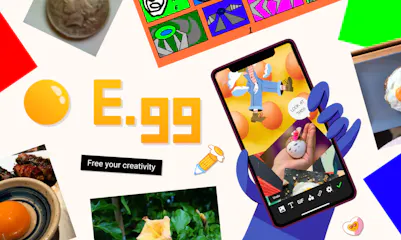
Facebook’s experimental NPE team have recently launched their latest creation, E.gg, a goofy personal webpage creator that is reminiscent of the 90’s. The app feels very nostalgic, a hat tip to the days of GeoCities and MySpace.
Kevin, from NPE, shared;
“It all started when a few of us found ourselves missing the raw and exploratory spirit of The Early Internet and began to wonder things like: Is this misplaced nostalgia? What was _actually_ so special about that time?”
The result of this train of thought was E.gg. A blank canvas for self-expression with GIFs, text, and shapes. The idea is that you can be ‘off-beat’ and ‘mis-matched’ without drawing a critical eye from peers to represent your half-formed ideas and passions.
Early feedback from the community is largely positive;
“Tumblr, Google Sites, WordArt, ~a e s t h e t i c~, it’s all in the beautiful and zany world of e.gg!” - Khoi
“This gives me early internet vibes — that landing page is crazy (in a good way)“ - Anthony
“I... I'm in love 🥺 Literally can hardly wait to try this out, mind is BUZZING with ideas” - Alexander
E.gg isn’t the only site drawing early 90’s internet vibes of late. Dating app Struck's aesthetic is very retro and reminds us of Poolside Fm, itself a visceral throwback for the senses. Could it be that with all the progress and complexity of modern technology, we’re craving the simpler times where we could all just innocently hang out with everyone’s first internet friend, myspacetom?
If you want to take a step back in time, there are plenty of products out there tugging at our nostalgic heart strings:
Stackoverflow 90’s: Bring back the '90s to StackOverflow with this retro looking Chrome Extension
Icon rewind: Don’t like change? Get old icon logo’s for the apps on your phone with MSCHF’s 22nd drop
Retro Wave Generator: Bring back the 80s with this throwback image creator
My 90’s TV: Watch the TV shows from your childhood and wind back the years
Macintosh.js: A 1991 Macintosh in an app - for Windows, Linux, and macOS. Transfer files in and out, mount disk images, and time-travel back to the 90s.
GifCities: Discover the GIFS of the early internet with this retro animated GIF search engine
The Internet Arcade: 900+ classic arcade games from Joust to Paperboy, free and playable in your browser
Kevin, from NPE, shared;
“It all started when a few of us found ourselves missing the raw and exploratory spirit of The Early Internet and began to wonder things like: Is this misplaced nostalgia? What was _actually_ so special about that time?”
The result of this train of thought was E.gg. A blank canvas for self-expression with GIFs, text, and shapes. The idea is that you can be ‘off-beat’ and ‘mis-matched’ without drawing a critical eye from peers to represent your half-formed ideas and passions.
Early feedback from the community is largely positive;
“Tumblr, Google Sites, WordArt, ~a e s t h e t i c~, it’s all in the beautiful and zany world of e.gg!” - Khoi
“This gives me early internet vibes — that landing page is crazy (in a good way)“ - Anthony
“I... I'm in love 🥺 Literally can hardly wait to try this out, mind is BUZZING with ideas” - Alexander
E.gg isn’t the only site drawing early 90’s internet vibes of late. Dating app Struck's aesthetic is very retro and reminds us of Poolside Fm, itself a visceral throwback for the senses. Could it be that with all the progress and complexity of modern technology, we’re craving the simpler times where we could all just innocently hang out with everyone’s first internet friend, myspacetom?
If you want to take a step back in time, there are plenty of products out there tugging at our nostalgic heart strings:
Stackoverflow 90’s: Bring back the '90s to StackOverflow with this retro looking Chrome Extension
Icon rewind: Don’t like change? Get old icon logo’s for the apps on your phone with MSCHF’s 22nd drop
Retro Wave Generator: Bring back the 80s with this throwback image creator
My 90’s TV: Watch the TV shows from your childhood and wind back the years
Macintosh.js: A 1991 Macintosh in an app - for Windows, Linux, and macOS. Transfer files in and out, mount disk images, and time-travel back to the 90s.
GifCities: Discover the GIFS of the early internet with this retro animated GIF search engine
The Internet Arcade: 900+ classic arcade games from Joust to Paperboy, free and playable in your browser


“This is game-changing”
Last weekend tech Twitter was ablaze with tweets about OpenAI’s newest project, GPT-3. A handful of makers and builders received early access to test out the new AI model with some incredible results. This is one of our favorites from Jordan Singer, a Maker of the Year nominee from a few years ago.
While there’s debate about how “game-changing” GPT-3 is, it’s undoubtably another step toward the future. In a tweet, OpenAI’s CEO Sam Altman, stated, “For non-programmers, it's like experiencing the magic of programming for the first time.”
Over the years – especially the last few – we’ve seen an increase in the number of AI-related products launch on Product Hunt. No doubt we’ll see a wave of GPT-3 powered experiments shortly. In the meantime, here are 10 AI-powered products launched over the last few months:
Is it cake answers the internets biggest question of the moment
Slazzer quickly removes the background on any image
Fluently users machine learning to help you write in any language
Rosebud AI generates realistic, but fake, virtual models
Perfect Quote uses AI to find quotes that match any image
Krew offers at home fitness options enhanced with AI use cases
Proven offers personalized skincare powered by AI tailored to individuals
PodBot.ai generates and records a podcast episode about your topic of interest
Pearlii offers free, fast dental check-ups using AI image processing
Let’s Enhance uses AI to increase photo resolution with no loss in quality
Follow the Artificial Intelligence topic to keep up to date on the latest AI launches.
While there’s debate about how “game-changing” GPT-3 is, it’s undoubtably another step toward the future. In a tweet, OpenAI’s CEO Sam Altman, stated, “For non-programmers, it's like experiencing the magic of programming for the first time.”
Over the years – especially the last few – we’ve seen an increase in the number of AI-related products launch on Product Hunt. No doubt we’ll see a wave of GPT-3 powered experiments shortly. In the meantime, here are 10 AI-powered products launched over the last few months:
Is it cake answers the internets biggest question of the moment
Slazzer quickly removes the background on any image
Fluently users machine learning to help you write in any language
Rosebud AI generates realistic, but fake, virtual models
Perfect Quote uses AI to find quotes that match any image
Krew offers at home fitness options enhanced with AI use cases
Proven offers personalized skincare powered by AI tailored to individuals
PodBot.ai generates and records a podcast episode about your topic of interest
Pearlii offers free, fast dental check-ups using AI image processing
Let’s Enhance uses AI to increase photo resolution with no loss in quality
Follow the Artificial Intelligence topic to keep up to date on the latest AI launches.


LEGO and Nintendo’s epic collab
LEGO and Nintendo have joined forces to offer us some light relief and nostalgia in the form of the Nintendo Entertainment System LEGO kit. Currently pre-launch and hitting shelves on August 1st, we know how we’ll be spending some of our socially distanced summer hours.
Other Makers have also brought us joy through these challenging months with their creative product launches:
Is it cake answers the internets biggest questions on whether an item is cake or not. 🍰
Invite Rick injected some short-lived joy into our Zoom calls. Unfortunately it violated Zoom’s TOS and quickly shut down 24 hours later. Rick's rolling was just too pure for this world.
Elon Musk Name Generator allowed us all to discover what we would have been called had Elon been our dad.
Goat 2 Meeting invites a farmyard animal to your video meetings. You can even choose between a llama or a goat. Lol.
Bye is an email service that automatically responds with an insult, then deletes every email sent to you. No more inbox zero anxiety.
Zoom Exotic brings Joe Exotic an Carole Baskin to your Zoom backgrounds. Remember when we were all obsessed with Tiger King? 🤪
Proud mom of a CEO Newsletter will email you encouraging notes every weekday. Because, “We believe in you sweetie, you got this!”
PastaDrop allowed us to send a random pasta care package to unsuspecting friends letting them know we were thinking of them.
We’re thankful for the positivity and fun these products, along with many others, have brought us.
Other Makers have also brought us joy through these challenging months with their creative product launches:
Is it cake answers the internets biggest questions on whether an item is cake or not. 🍰
Invite Rick injected some short-lived joy into our Zoom calls. Unfortunately it violated Zoom’s TOS and quickly shut down 24 hours later. Rick's rolling was just too pure for this world.
Elon Musk Name Generator allowed us all to discover what we would have been called had Elon been our dad.
Goat 2 Meeting invites a farmyard animal to your video meetings. You can even choose between a llama or a goat. Lol.
Bye is an email service that automatically responds with an insult, then deletes every email sent to you. No more inbox zero anxiety.
Zoom Exotic brings Joe Exotic an Carole Baskin to your Zoom backgrounds. Remember when we were all obsessed with Tiger King? 🤪
Proud mom of a CEO Newsletter will email you encouraging notes every weekday. Because, “We believe in you sweetie, you got this!”
PastaDrop allowed us to send a random pasta care package to unsuspecting friends letting them know we were thinking of them.
We’re thankful for the positivity and fun these products, along with many others, have brought us.


