Today, I came across an article on Techcrunch describing research that found that AI models not only hallucinate, but also lie.
While these are small lies, such as claiming that a task was completed when it wasn t, researchers stress they haven t seen harmful scheming in real-world use yet, but warn risks will rise as AI takes on more complex tasks.
This one goes out to all our makers! We ve been hard at work finding ways to make Product Hunt a better place for makers to launch and continue sharing their product journey. To do that we created some resources to help make the most of your launch, and built an Add-ons tab in Product Hubs to help users discover all of the plugins, extensions, companions, templates, and more that complement your products.
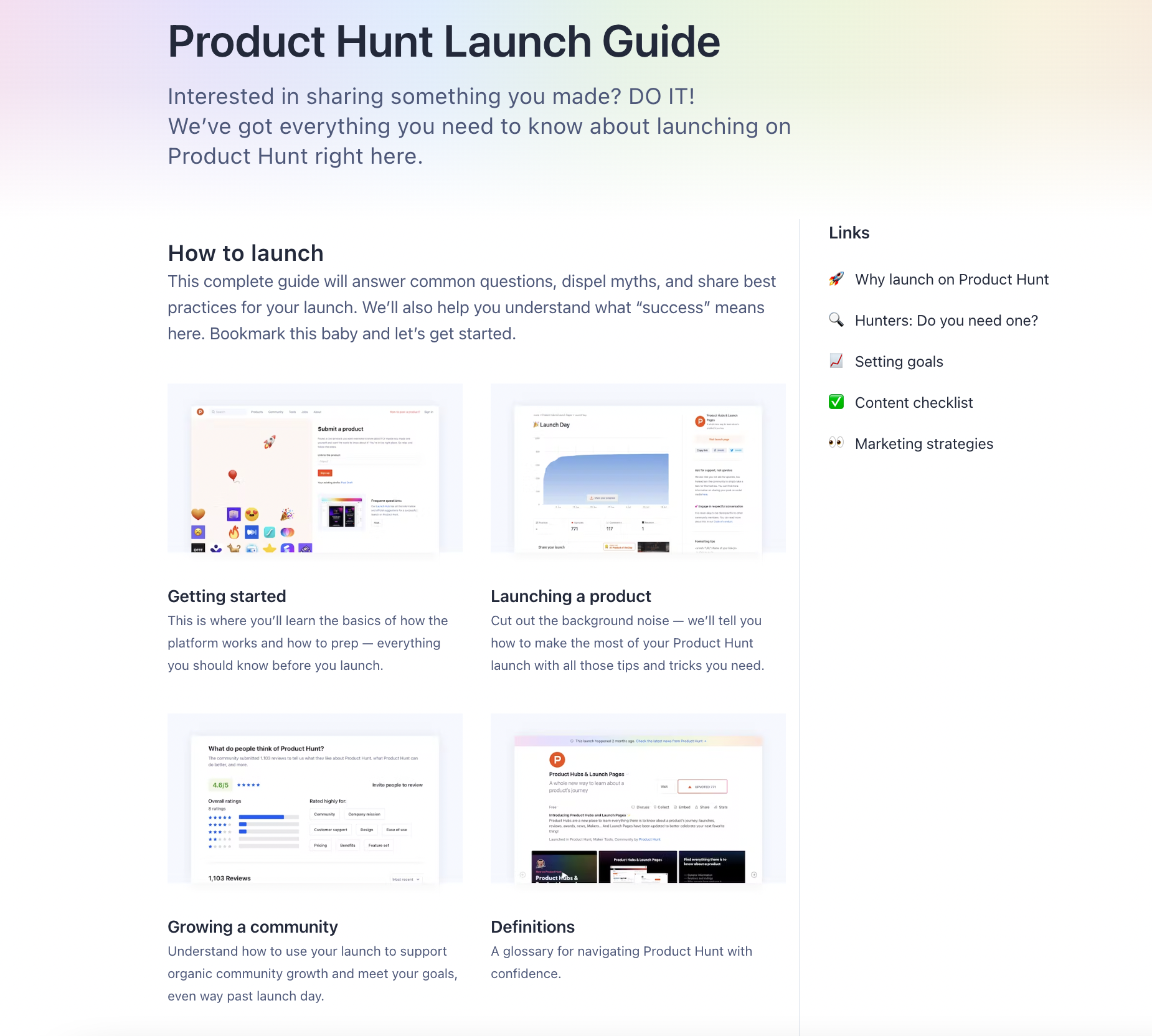
Launch Guide In an effort to help makers feel more prepared for launch day, we hosted our first-ever How to launch on Product Hunt webinar this month, and also published a Launch Guide to make it easier than ever to find everything (seriously, everything) you need to know about launching in one place.
Case studies In addition to the step-by-step playbook for pre-launch through post-launch, we ve included a few stories from other makers who have had successful launches on Product Hunt. Check out stories from Framer, Notion, and Loom founders to learn more about their experiences.
My instinct is always to polish. I want the first thing someone sees to be good, because I figure you only get one first impression and an embarrassing v1 sticks to you. But almost every product I actually respect started out rough. The early versions were janky and half-broken, and the founders shipped anyway because real users teach you things a year of polishing never will. So I go back and forth on this constantly. The case for shipping ugly is that you stop guessing. You find out what people actually care about instead of perfecting features nobody asked for. The case for waiting is that a bad first experience can kill momentum before it ever gets a chance to stick, and you don't always get told why people left. I think the answer depends on how reversible the launch is. A small audience that forgives you is very different from a big public moment you can't take back. But I'm probably biased toward polishing longer than I should, and I've definitely buried good ideas thinking they were not ready yet. Where do you land: ship the ugly version and learn, or hold it until you're proud of it?
Visual bugs or broken buttons are easy to spot right away, but silent failures are terrifying because everything looks completely normal on the dashboard.
Our scariest silent bug happened when a background worker quietly stopped processing webhook retries due to a silent timeout exception leaving hundreds of user orders stuck in limbo for days without any logs throwing an alert. We ended up setting up an external health ping just to make sure those queues are actually moving every hour. What's your go to way for catching background failures before users notice?