As a founder building a hardware + app product (InvisOutlet Pro launching soon ), I ve found myself going way too deep on tiny details most people will never think about: icons used in our app, length of screws, even how the packaging folds.
Some of these details make a huge impact others? Maybe just to me
I have been thinking a lot about how AI is quietly transforming the way we work, not replacing jobs entirely, but definitely reshaping them.
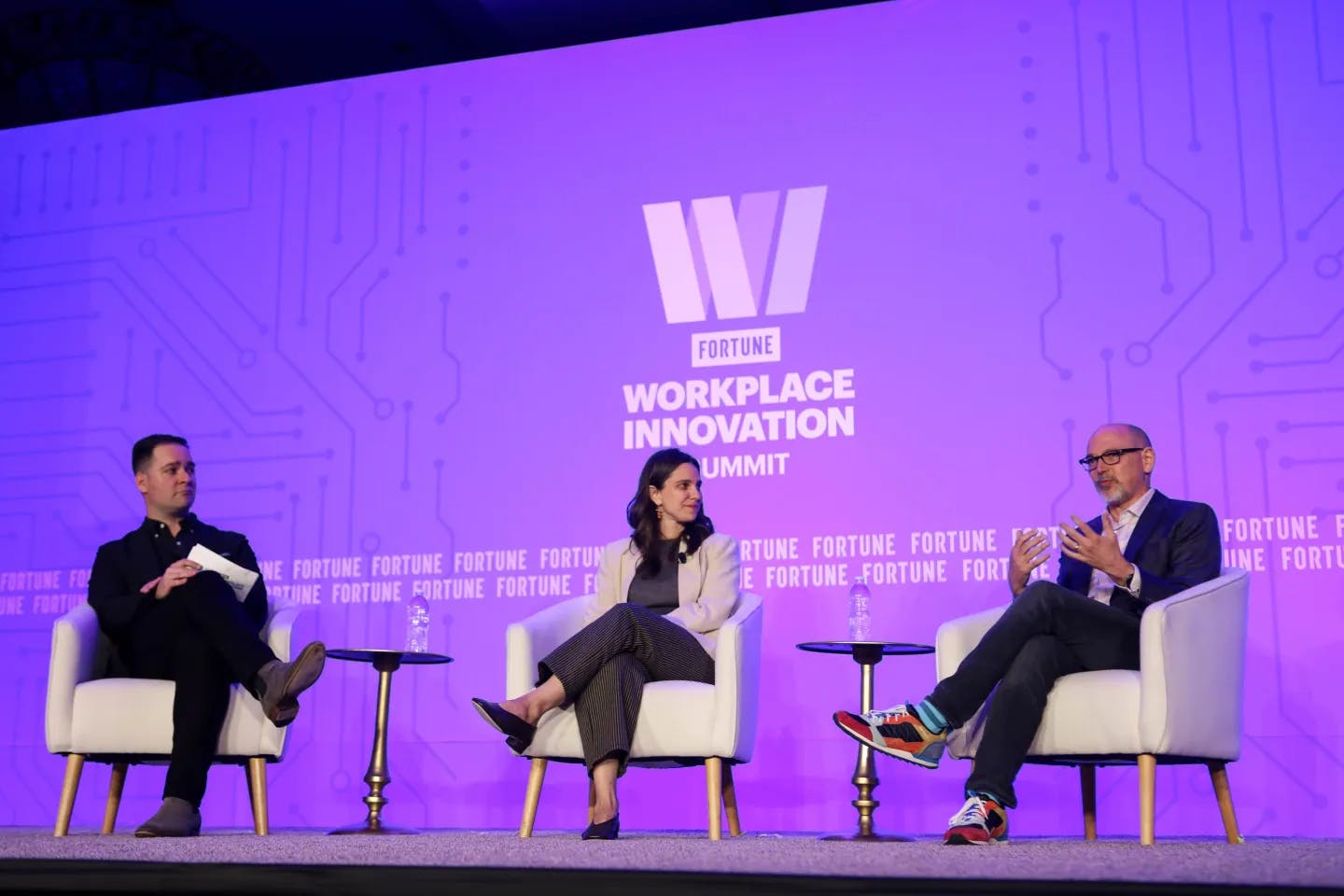
At a recent Fortune summit, the CEO of Indeed said AI can now handle over half the tasks in most roles. But no single job can be fully automated. OpenAI s Chief People Officer even called it a reimagination of work.
To work more efficiently and productively, we usually create some familiar patterns (habits) that shorten our time doing tasks (saving time and energy). This is also indirectly related to tools that make the work process easier.
What does your workday look like + tech tools without which you would not be productive?
when you are building solo or in a tiny team, every feature feels like your baby. you spend days tweaking an edge case or adding a cool little toggle beacuse you think it's neat.
then you launch, and crickets. nobody touches it.
lately, i have been trying to force myself to look at user data and ask- am i building this because it actually solves a problem or just because i enjoyed coding it?
For us at wcrd.me, we are trying to get people to connect faster and engage in two way communication , rather than an email every two weeks. Tell me, what are you working on that you see an opportunity others aren't taking?
Rich Dad Poor Dad author Robert Kiyosaki I can read this book every month and at any time. The overarching theme of Rich Dad Poor Dad is how to use money as a tool for wealth development.
Every time I hit a small problem, I face the same choice: find a tool that already does it, or build my own quick fix. Building feels exciting, but I m not sure it s the smart choice.
Last month I spent a whole weekend setting up my own system to track my reading list. It worked, but a free app I d skipped would have done 90% of it in ten minutes. I still can t tell if the weekend was wasted or if I learned enough to make it worth it.
It made me wonder if I ll just build it myself is often a way of avoiding the boring work of searching for what already exists.
How do you decide between building and using something that already exists? Has building your own ever paid off, or did you end up wishing you d just used the existing tool?
I've been thinking about what the next stage of working with AI should look like.
Most of what I see focuses on making AI do more work. It writes code, generates designs, analyzes data, and automates workflows. Humans provide instructions, review the output, and decide what happens next.
But I think there's a more interesting problem to solve.
How can I combine human and AI intelligence to achieve better outcomes than either could achieve alone?
I am a front-end developer and want to develop a SaaS product. What is the solo founder s best strategy for building SaaS product and reaching customers? How do you manage your time and how much time do you devote to each?
When someone asks for a feature, it's tempting to assume they've already identified the solution to their problem.
But sometimes the request is only one possible way to solve something deeper.
For example, a customer might ask for another dashboard when what they're really struggling with is knowing which information deserves their attention.