Tidio is built around live chat first, with bots layered on top to handle overflow or off-hours. BotLinx flips that - it's an AI-first knowledge base bot, closer to a pure automation layer than a live-chat-plus-bot hybrid, which fits better if the goal is deflecting repetitive questions rather than staffing a chat inbox.



 Tidio
Tidio
Hi Product Hunt! 👋
I’m Mehar, founder of BotLinx.
We built BotLinx with a simple idea: businesses already have the answers their customers need — they're just scattered across websites, PDFs, docs, and knowledge bases.
So why not turn that existing knowledge into an AI assistant that can actually talk to customers?
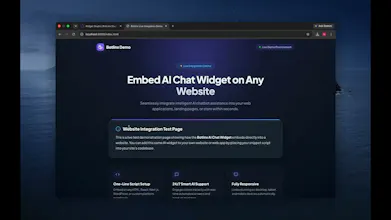
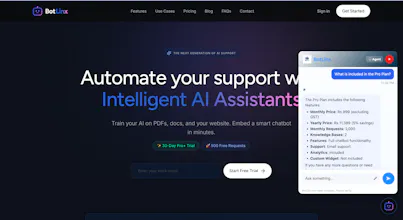
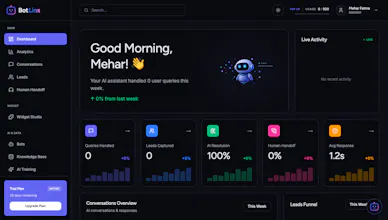
With BotLinx, you can connect your business knowledge, create an AI chatbot, and add it to your website without building the AI infrastructure yourself.
🚀 To celebrate our Product Hunt launch:
• Get 30 days free on our Pro+ plan
• Use LAUNCH30 for 30% off the monthly plan
We’re launching today to learn from real users, improve the product, and see where we can take it next.
If you run a business, build SaaS products, or work in customer support, give BotLinx a try and let me know what you think.
What would you want an AI support assistant to do for your business?
Would love to hear your feedback and ideas! ❤️
Dial
A lot of support knowledge really is just scattered across old PDFs and docs nobody re-reads, so the framing here makes sense. The thing I'd actually want from an assistant like this is honesty about when it doesn't know - saying "not sure, let me get a human" instead of confidently stitching together an answer from a document that's technically related but not actually applicable. A plausible-sounding wrong answer does more damage to trust than "I don't know," at least in my experience building an AI agent product. Do you have guardrails around when BotLinx bails out of an answer vs pushes through with whatever it found in the docs?