
Duck, Duck, Duck! by IDEO
An opinionated robot rubber duck for Claude code
98 followers
An opinionated robot rubber duck for Claude code
98 followers
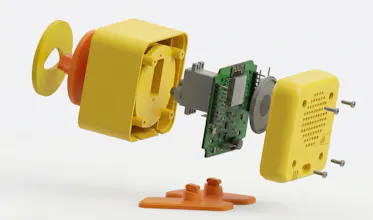
Rubber duck debugging. But the duck talks back. Your rubber duck now has Claude and opinions. Duck Duck Duck listens in on your coding sessions, understands what's happening, and responds. Robot optional. - Speaks when Claude runs, fails, or hesitates - Reacts physically (yes, really) - Lets you approve actions with your voice - Occasionally questions your decisions Limitation of liability: We are not responsible for any emotional damage caused by the duck's opinions of your variable names.


Free
Launch Team

Render: Get up to $100K in startup creditsThe fastest way to deploy and scale apps and agents
Promoted
The physical reaction part makes it unique, I was wondering does it have specific physical reactions when you ignore it's suggestions.
the physical reaction angle is the most interesting bit. almost all developer tooling assumes your only feedback channel is the screen. having something in your physical space that reacts when claude runs or fails creates an ambient signal you can notice with peripheral attention instead of actively watching a terminal. it's a different mode of awareness entirely.
the 'opinionated' framing is doing more work than it looks. classic rubber duck debugging is you explaining the problem to something that doesn't respond. adding opinions, especially on your variable names and decisions, shifts it closer to a passive code reviewer than a debugging aid. that's a different value proposition and probably a different use case.
@gabrielpineda You've articulated the ambient signal thing better than we did in our own description, so we might steal that framing, thanks!
The passive code reviewer point is something we've been sitting with. In practice the duck ends up being both things depending on the mode. Companion is closer to what you're describing, opinionated and reactive, while Permissions Only is almost purely ambient, a physical signal that something needs your attention without any editorial commentary. We didn't fully separate those value propositions in the marketing a bit intentionally because we were curious which parts people would respond to.
The thing we're most curious about is whether the physical presence changes any of the dynamic of the opinions. A code reviewer in a chat window is easy to ignore. A small yellow object on your desk tilting its head and saying something about your variable names is harder to dismiss -- we're finding there's something about the embodied form that makes the feedback land differently. (We think, but we'll see!)