AI coding agents edit your files blind; they can't see your running frontend. Domscribe closes the gap.
Code → UI: Query any source location via MCP, get back live DOM, props, and state. No screenshots, no guessing.
UI → Code: Click any element, describe what you want in plain English. Domscribe resolves the exact file:line:col and your agent edits it.
Build-time stable IDs. React, Vue, Next.js, Nuxt. Vite, Webpack, Turbopack. Any coding agent. MIT licensed. Zero production impact.
Hello Product Hunt! We are thinking of spinning up topic specific, weekly digest newsletters that break up the firehose of goodness that is the Product Hunt leaderboard. What topics would you subscribe to? Who would you like to see sponsor these newsletters?
Here is an early prototype of what an AI Agent Digest newsletter might look like: https://gist.github.com/kerzhner...
Ollang is the AI language execution layer for localization across web, apps, video, audio, and documents. Use MCP to let AI agents run workflows, SKILLS for reusable agent actions, the SDK to scan and apply translations, and the API to build end-to-end localization pipelines. One platform for multimodal localization and production-ready developer integration.
PinchBench is a benchmarking system for evaluating LLM models as OpenClaw coding agents. We run the same set of real-world tasks across different models and measure success rate, speed, and cost to help developers choose the right model for their use case.
PinchBench is made with 🦀 by Kilo Code, the makers of KiloClaw.
A single platform to scaffold, code, and ship full-stack apps for developers and teams, that removes DevOps overhead from your dev workflow.
Launch development, staging and production environments in seconds, which go live with SSL protection, CI/CD from the start, and CDN built-in.
An 8 MB daemon that streams every agent event to your client — text deltas, tool calls, thinking steps, all of it. Connect what you need, skip what you don't. One curl to install. Bring your own model.
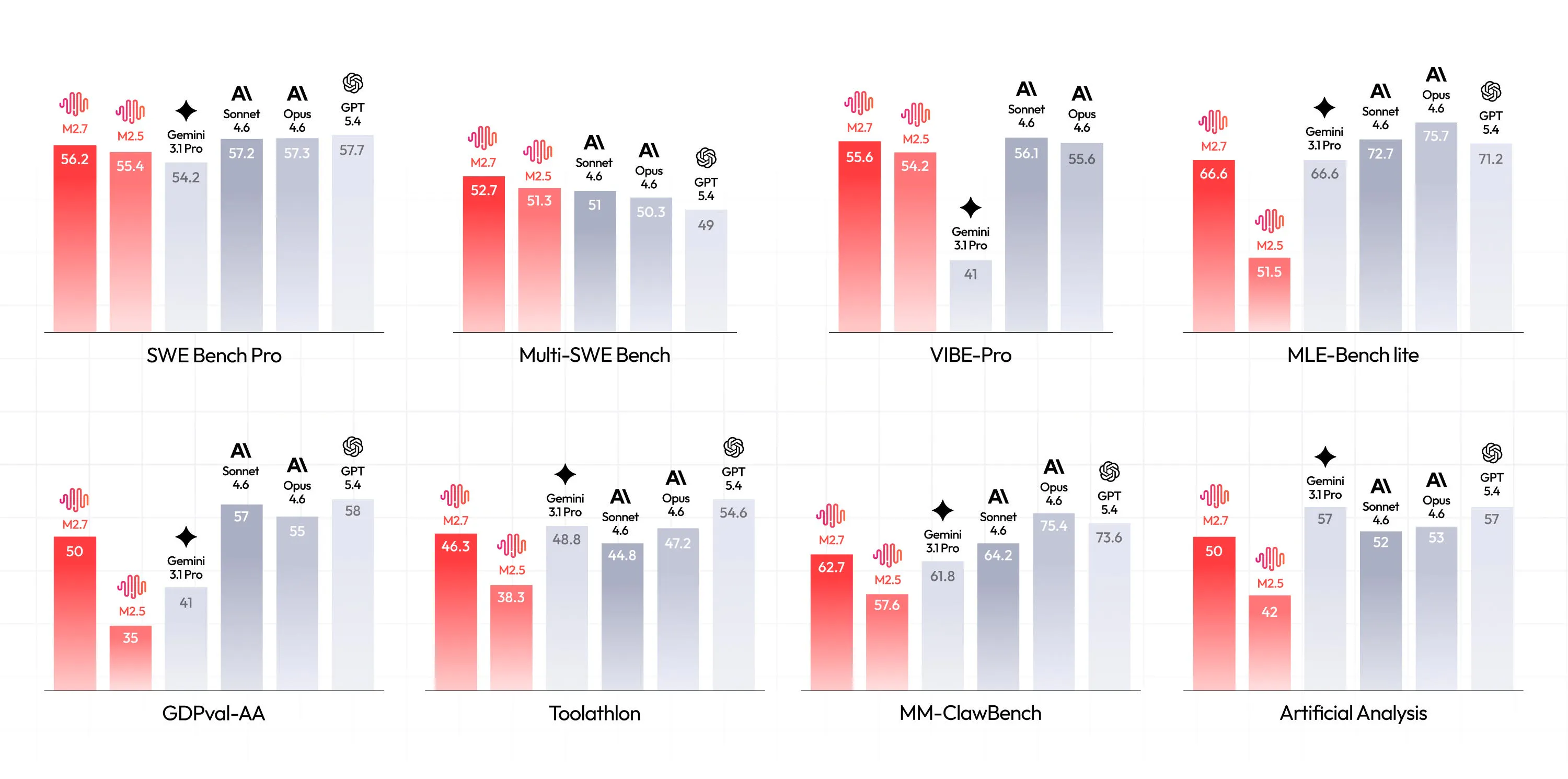
Launched last week, open-source frontier model @MiniMax M2.7 scores 56.2% on SWE Bench Pro, converging towards the best proprietary models like @Claude by Anthropic Opus 4.6.
Parallel Code is a macOS app that gives every AI coding agent its own git branch and worktree — automatically. Use Claude Code, Codex, and Gemini in parallel. Free and open source.
I pay $20/m subscription, but nowadays hitting the limit and need to wait or spend an extra $ for tokens. I wonder whether it is worth getting $100/m subscription. How's the experience for those who have $100/m? Is it too much? Do you hit the limit? Or $20/m is fine for you?
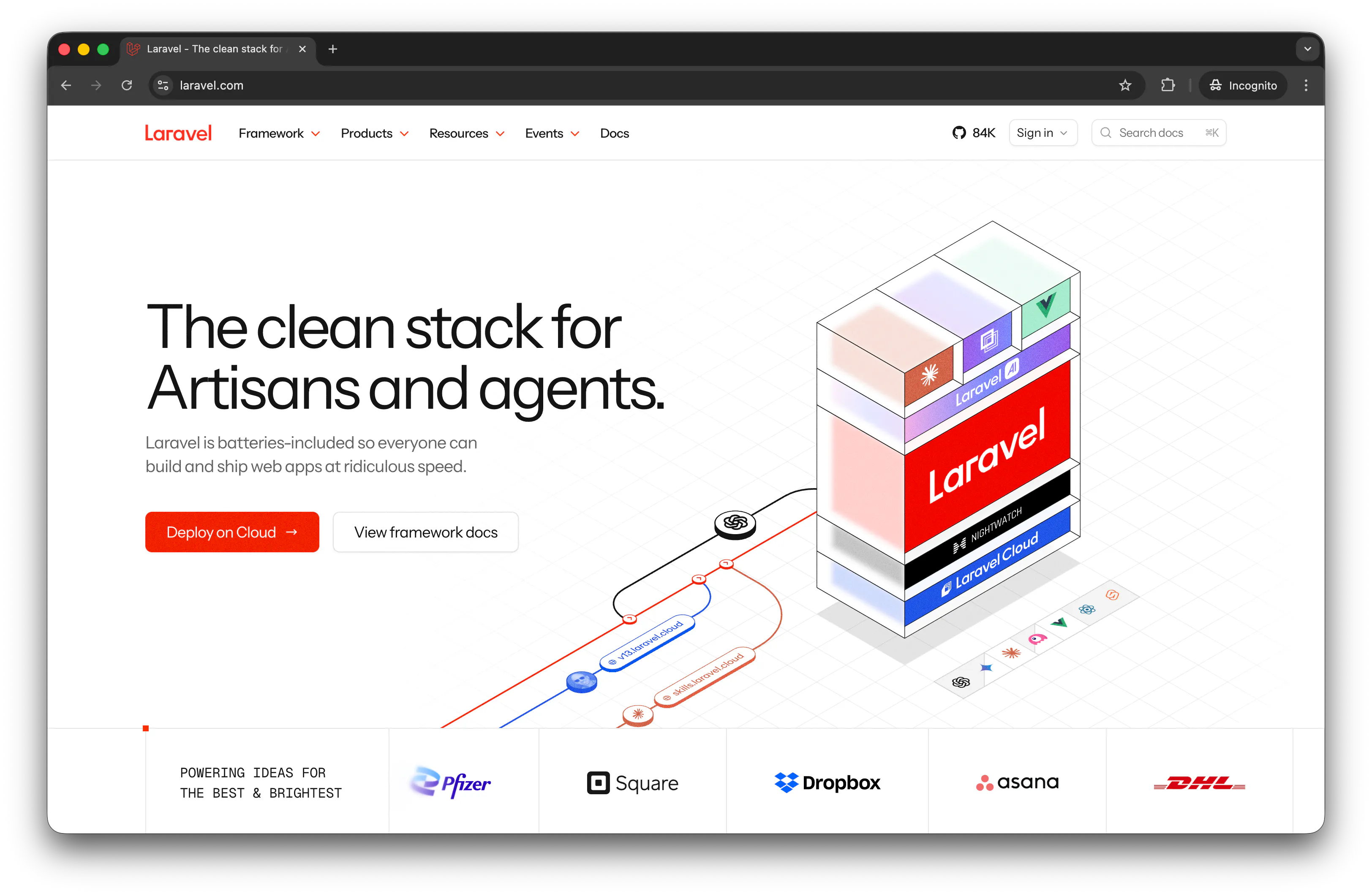
Laravel just shipped a new laravel.com with a bold headline:
The clean stack for Artisans and agents.
Laravel has always been opinionated and seems like a solid option in this AI era. Has anyone made the switch since they started working with coding agents?
Build robotics simulation in minutes, straight from your terminal with just prompts. Everything you need for ROS, Simulator, Plugins, and OS orchestration. Build any robot and world, launch it in simulation, and wire up your control loop - all from a single prompt. Fix issues swiftly with drift as it actively tracks all ROS states, workspace and the simulator.
An open source agent that lives on your machines 24/7, keeps your apps running, and only pings when it needs a human.
Install Stakpak -> Run /init
curl -sSL https://stakpak.dev/install.sh | sh
You're mid-task. Claude is in flow. Then the plan limit hits and everything stops. You know the feeling — the session cuts out, the context is gone, and you're starting over. For heavy Claude Code users, this isn't an occasional annoyance. It's a regular ceiling on what you can get done in a day.
We built Edgee's Claude Code Compressor to push that ceiling back.