
Happy Thursday, makers! This edition of the daily digest is coming to you from an island in the sun. With the rise of AI comes the possibility of disinformation. That’s why Google is testing a watermark to identify generated images. It’s apparently imperceivable to the human eye, but we consider that a challenge.
SEO lives on

Ever since ChatGPT launched, we’ve seen no shortage of love for AI chatbots for finding info faster. Google rushed to launch its own chatbot too (AKA Bard), but it didn’t throw away all that it built that easily. Instead the company began integrating a generative AI “snapshot” into the top of its current search experience. In fact, it recently expanded that Search Generative Experience into India and Japan, and added a new feature allowing you to summarize articles too.
We feel for SEO writers and marketers in the face of all this change. All that time spent crafting the perfect headline, and all users may see is a summary of your work. But it’s important to note that “what ain’t broke, didn’t need fixin.” Sure there are “a set of queries queries for which Google has never quite worked,” but as David Pierce also points out for the Verge, many of our searches are already served by the results Google serves up. We don’t see that changing any time soon. Instead we see new SEO tools launching, including clever ways to use AI to improve your SEO work. Here are a few to keep on your radar:
For newbs: This SEO Course for Startups explains SEO like you were a five-year-old.
For streamlining: Foudroyer automatically indexes up to 200 pages per site per day and merges insights from Google Search Console, Yandex Webmaster, and Bing Webmaster.
For Shopify users: The BlogSEO AI app allows you to create SEO-optimized blog posts tailored to your products
For alternatives to SEMRush: Wope is a new all-in-one SEO and rank tracking solution with features like AI-powered grouping, AI-driven insights, and detailed SERP history.
For those already using SEMrush: SEMrush just dropped EyeOn App to track the content of your rivals better, 24/7. That includes their new search ads, blog posts, pages, social media posts, and social engagement. The stalkerish vibes are real in the deeply competitive world of SEO.
Your agents stopped answering and started doing
Your agents call tools, write to databases and move money, so a wrong answer is now a wrong action, which is a considerably worse meeting. Arcjet runs policy before every LLM call, tool call, query and API request: prompt injection, sensitive data, bots, rate limits, spend quotas, and your own rules in Rego on top. It reads the OpenTelemetry you already emit, so switching it on is one environment variable, no code changes and nothing to deploy. Each check also reads the earlier steps in the same workflow, so an agent's tenth action gets judged against the first nine and not on its own. JavaScript, Python and Go SDKs all at 1.0, agent framework guards included, free tier to start on.
Daily Top Products



-
Vispunk lets you use a drop and drop editor to create stronger prompts for your AI photos.
-
Flavored Resume uses AI to reword your resume to help you get past ATS systems.
-
“This might be the nerdiest thing on Product Hunt today. I want one.” - Ryan Hoover
-
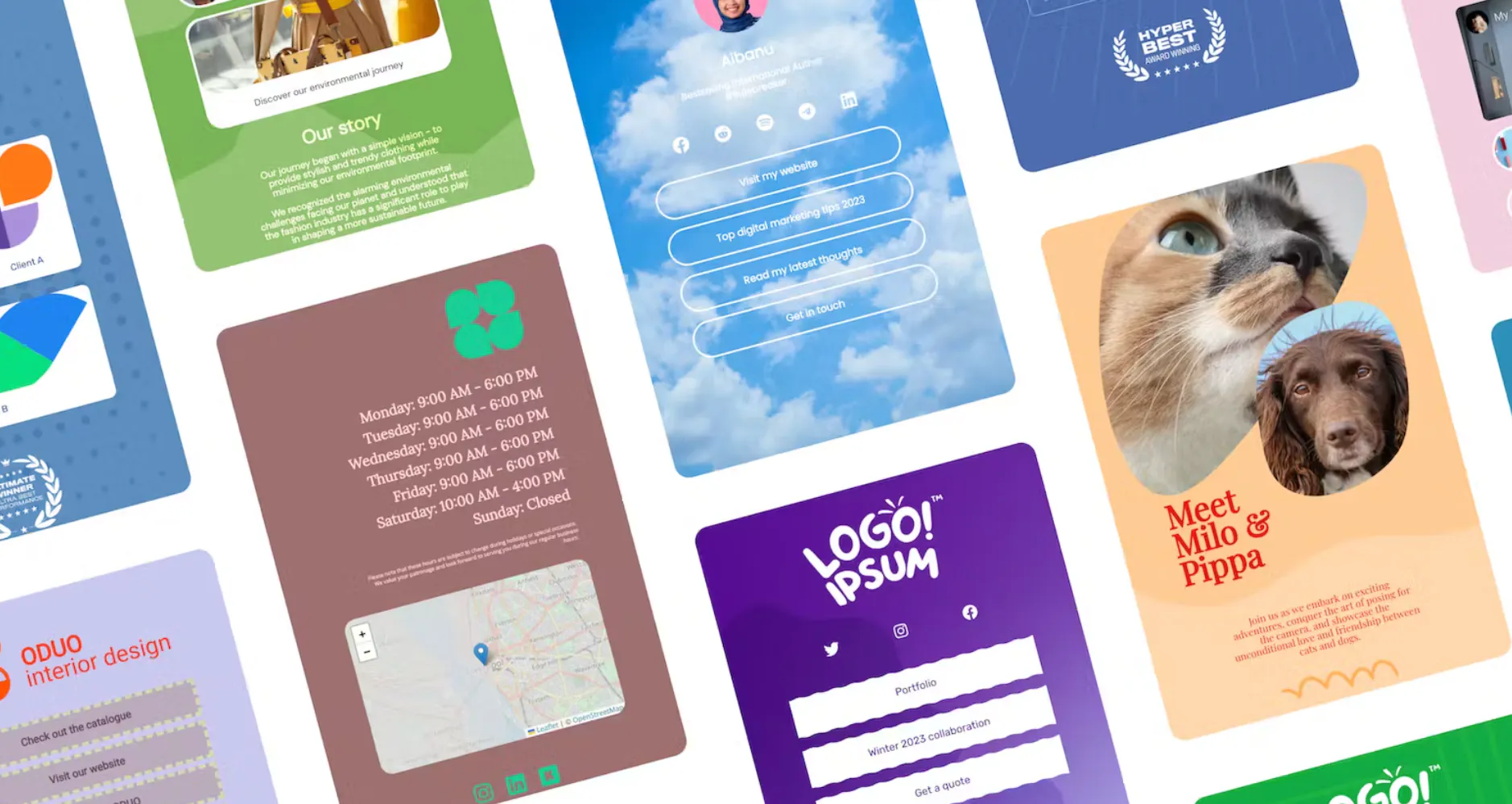
Marketers: Pixel is an all-in-one tool for creating short links, QR codes, and microsites.
-
OnlySheets from Better Sheets lets you sell access to your Google Sheets without letting anyone with the link share them.
-
Dover launched a new, free ATS for startups so you can post jobs across sites, make career candidates, track them, and more.