
Wednesday, May 15
Presented byArcjetHappy Hump Day! It’s an AI-powered kind of week. Yesterday I covered OpenAI’s Spring event and today I’m covering Google IO. But first…
The headlines:
🤖 Ilya Sutskever, co-founder of OpenAI and chief scientist has left the company.
💻 According to a leak, Dell is planning to build a 29-hour laptop.
🧵 Threads is booting up its own fact-checking program, similar to Twitter’s community notes.
Google wants to take on OpenAI’s Sora with its latest AI launch
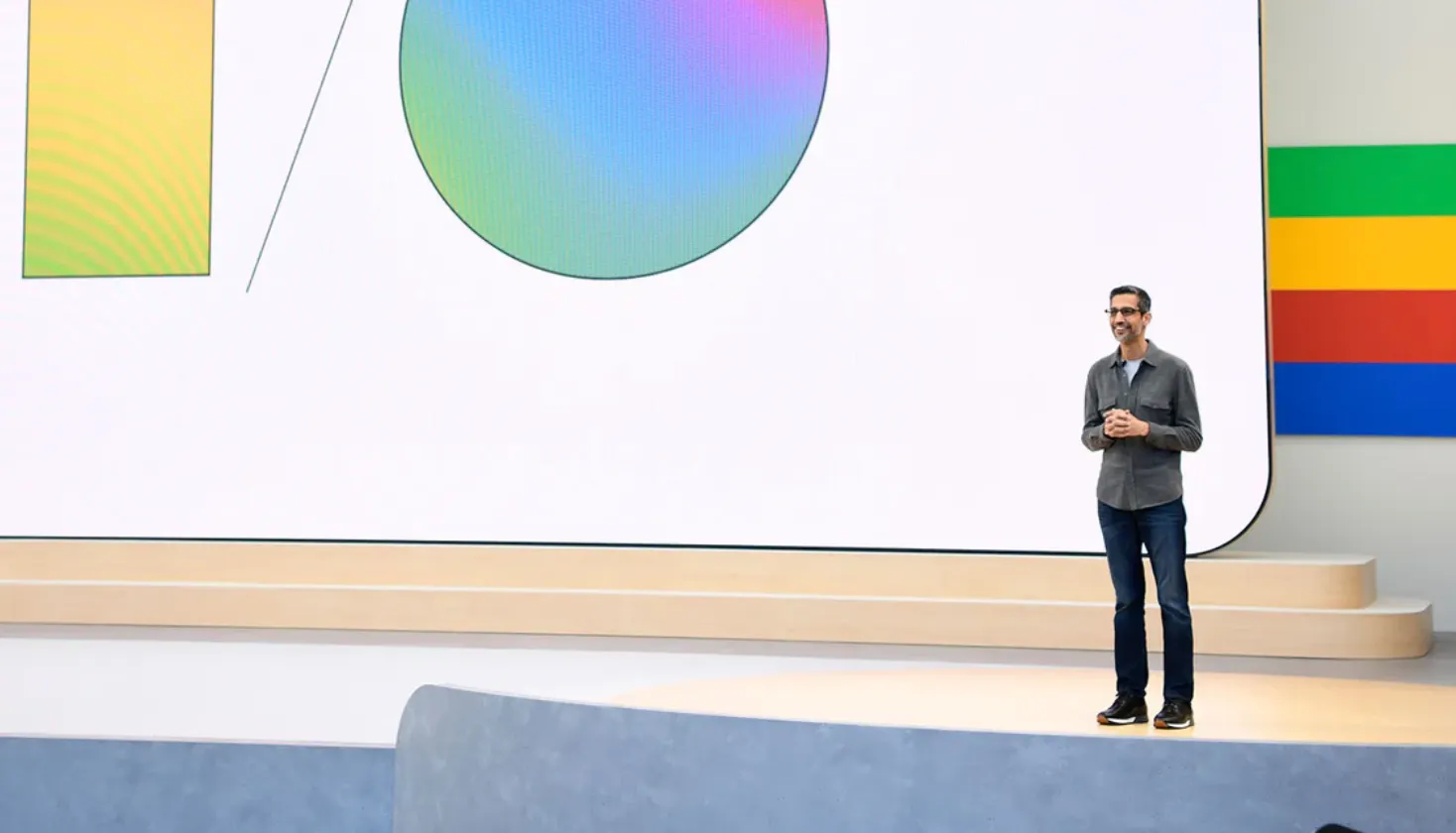
It's one of those weeks when I simply can't keep up with all the AI announcements. Just a day after OpenAI's Spring Update, where they unveiled their most powerful LLM yet, GPT-4o, Google made a splash at its annual IO event.
Let's dive in:
Text to Video: Google's latest AI venture, Veo, is the highlight of the show. Veo aims to outshine Sora by generating minute-long, 1080p videos from a single prompt. It can produce various visual styles, such as landscape shots and time lapses, and even allows for editing existing footage. Check out some examples on their announcement page, including a video collaboration with Donald Glover.
New Model: Google introduced a new AI model to complement its existing lineup. Gemini 1.5 Flash, smaller than Gemini 1.5 Pro, excels in speed. It's designed for "narrow, high-frequency, low-latency tasks," where quick response times are crucial. Flash boasts a context window of about 1 million tokens, vastly surpassing GPT-4's 124,000 tokens.
AI Assistant: Thirteen years after Siri's debut, voice assistants are finally having their moment. Google's new assistant, Project Astra, aims to rival OpenAI's ‘Her’ inspired assistant. Project Astra is a real-time, multimodal assistant capable of perceiving the world around you, answering questions, and helping you remember where you left things. It's quite impressive—check out the demo video. Don’t expect to use it just yet, it’s still in the very early stages of development.
Additionally, Google announced smaller updates, including an AI spam call detector and AI summaries across Google Search.
Your agents stopped answering and started doing
Your agents call tools, write to databases and move money, so a wrong answer is now a wrong action, which is a considerably worse meeting. Arcjet runs policy before every LLM call, tool call, query and API request: prompt injection, sensitive data, bots, rate limits, spend quotas, and your own rules in Rego on top. It reads the OpenTelemetry you already emit, so switching it on is one environment variable, no code changes and nothing to deploy. Each check also reads the earlier steps in the same workflow, so an agent's tenth action gets judged against the first nine and not on its own. JavaScript, Python and Go SDKs all at 1.0, agent framework guards included, free tier to start on.
Daily Top Products



OUR PICKS
Lune AI is a language-learning tutor, powered by AI that lives in your pocket.
SaveDay lets you instantly summarize and ask questions about YouTube videos and articles.
Oom is a social app that skips small talk so you can become friends faster.
MAKER’S CORNER
Equals just launched an update to make analysis and reporting even easier.
Blocks is a wireframing tool built for teams that lives inside Figma.
Jovu is an AI tool that generates production-ready code.
LEADERBOARD LIFTOFF
Wegic, an AI-powered website builder that generates sites through a chat interface clinched first place yesterday 🚀
As the old saying goes “don’t test in production,” I mean, the last thing you want is some early version of a new feature completely totalling your site overnight. That’s where tools like LaunchDarkly come in. It makes it easier to manage what features and fixed get deployed to production and what ones stay in testing.
The makers of Equals had this to say: “LaunchDarkly lets us separate deploy and launch - we can deploy changes, test them with live data, and roll out gradually to customers.”