As a Content Marketing Manager, I ve worked with video content for quite a few years, and there s one limitation I keep coming back to: a video can only answer the questions you thought of while making it.
As soon as someone wonders, What does this mean for my situation? or Can you explain that part again? , they re usually on their own.
When I started building FounderMind AI, I had one simple question:
What if every entrepreneur could validate a startup idea before spending months building it?
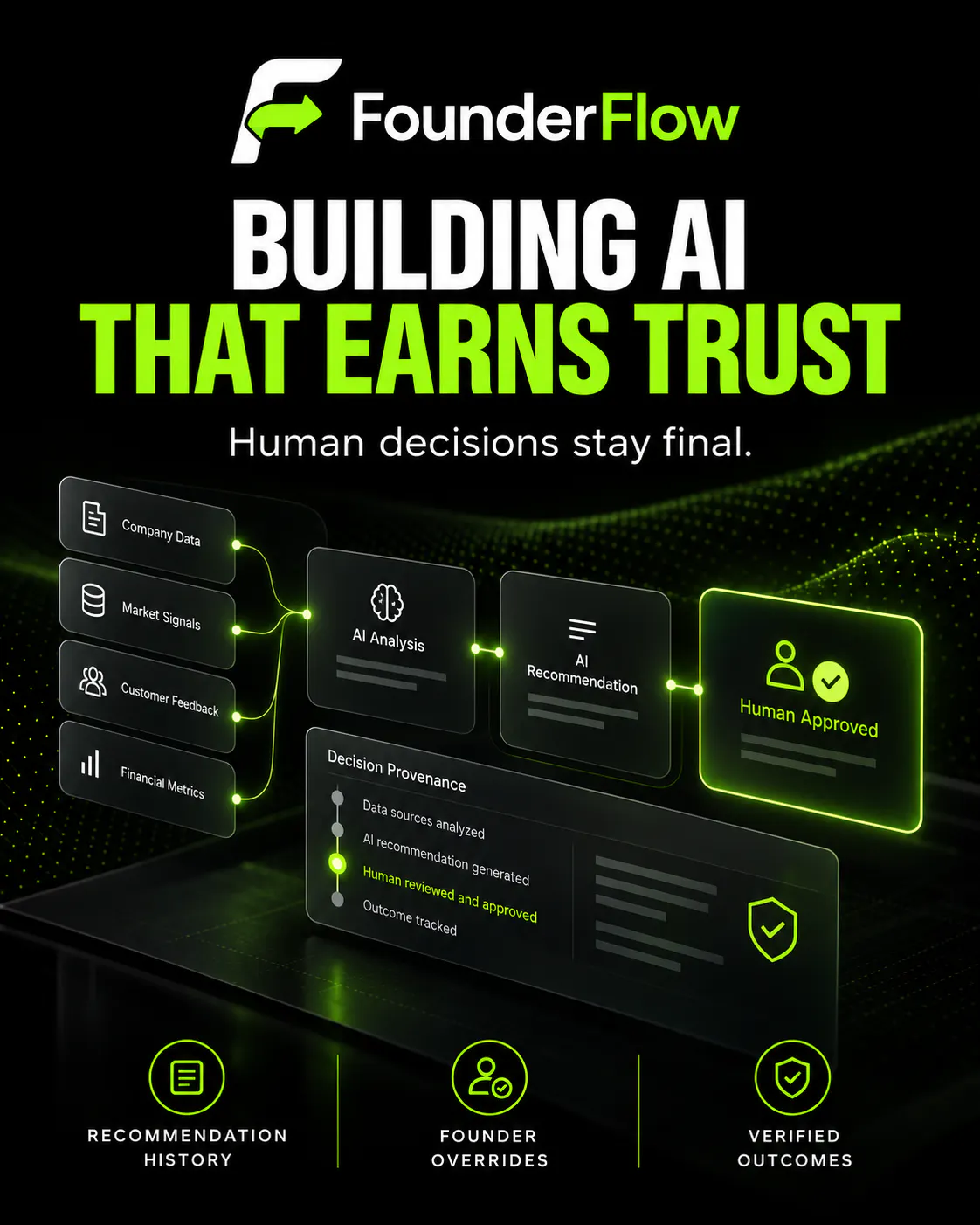
That question became the foundation of this project. FounderMind AI isn't just another chatbot. It's designed to challenge startup ideas from multiple perspectives business strategy, market research, competition, financial thinking, and risk analysis.
I'm building an AI chief of staff for founder-operators people running real businesses where every decision still routes through one person. This week we shipped something I'd been putting off for months, because I suspected the answer would be embarrassing.
Meet Lumi, your daily AI companion who lives right inside Telegram no app to download. Every morning she sends a short personalized check-in (she remembers your name, your focus, your wins), a guided audio practice that changes daily (breathing, gratitude, mindful walks), and a simple space to log your mood. It s not therapy, and it s not another wellness app you ll forget to open. It s built to feel like texting a friend who already knows you made specifically for the UAE s massive expat community that mainstream wellness apps never really built for. Try it free: findyourreset.health or t.me/Find_your_reset_bot Would love your honest feedback especially what would make you open something like this every single morning.
I'm Carlos, a full-stack dev from Colombia. Nine years working remotely with US teams, and more technical interviews in English than I'd like to admit.
An agent finds a bug. The useful next step is a clear task you can follow through to evidence.
I m Kevin, building Brain Scanner for developers working with coding agents. Its Reports and Queues connect that handoff: open a published report, inspect a linked bug, add it to the work queue, and follow the recorded fix and evidence.
Try the interactive example at https://brainscanner.dev:
These are pretty basic tools, but figured if it solved my problem, it might solve someone else's too. Both are free and open source, and I plan to keep doing this: fix my own annoyances.
File Tidy
An open-source Windows app for cleaning up a folder that's already a disaster Downloads, Desktop, wherever loose files pile up.
I keep running into the same strange moment with small online tools.
You find one, try it, and it works.
Then you decide to actually use it.
That s often when the limit appears an account, a paid feature, a usage cap, or an upgrade right in the middle of the thing you were trying to finish.
I started thinking about this while building OneLess Pomodoro.
I wanted the timer to stay useful after the first session, not just look useful on the first visit. So actual focused minutes still count even when a planned session ends early, and things like reports, tasks, presets, and different focus rhythms are part of the same experience rather than something you have to unlock just to keep using it.
I m curious about the opposite side of this:
What s the smallest limit or restriction that has made you abandon a tool you otherwise liked?
Was it a daily cap, signup requirement, locked history, export limits, number of projects, or something else?
I d especially like to hear about tools that were genuinely good right up until that moment.
OneLess Pomodoro on Product Hunt: OneLess Pomodoro
This isn't about marketing budgets or viral TikTok videos. It definitely isn't about screaming AI, because lets face it, no product is releasing without atleast one AI feature.
It's about one thing: positioning clarity. We are learning this the hard way building Toward.One