Taskade started as a real-time collaboration tool for planning and productivity. Then we added memory, agents, and automations. Soon it stopped feeling like a static tool and started acting like a real living workspace that could handle parts of the work on its own.
I didn t build our internal compliance tracking tool the traditional way.
I vibecoded it.
Instead of long PRDs, heavy sprint planning, and weeks of back-and-forth, I stayed close to the problem and built in tight feedback loops shipping small, observing behavior, and iterating fast.
There's a popular narrative on social media right now that AI can build software so quickly and cheaply that SaaS is dead (or will be soon).
Why pay for Linear when AI can build a project tracker in an afternoon? Why pay Stripe $30k/year when you can vibe code your own billing system in a weekend? The cost of building software has collapsed to near zero, therefore the value of selling software has collapsed to near zero. QED, SaaS is dead.
This was a deliberate experiment inspired by my CTO. I wanted to test a simple question: Can a Product Manager ship a real website end-to-end today without handoffs?
I m exploring different Backend-as-a-Service (BaaS) options for vibe coding projects small but creative builds that start locally and later go live (think quick prototypes, coding agents, or AI-powered hobby apps).
I d love to hear your thoughts on:
how easy is it to debug or simulate the backend locally?
how smooth is it to go from local to hosted?
any gotchas or scale-to-zero tricks to keep costs minimal?
functions, auth, storage, DB branching, edge runtimes, etc.
No CS background. Started vibe coding 3 months ago.
16+ hours daily. 15 billion tokens later I'm still learning.
I was using a Claude Code leaderboard service made by another dev. Submitting my daily stats became my end-of-day ritual. It was my fuel for vibe coding.
Hey everyone, been a Product Hunt visitor for years but never signed up, so I thought I'd start by sharing some recent learnings that hopefully other builders will find useful.
For context, we're building FanBase Copilot, an AI assistant for content creators that learns their voice and context over time. The memory layer is critical. It's what makes the AI actually useful after the first conversation.
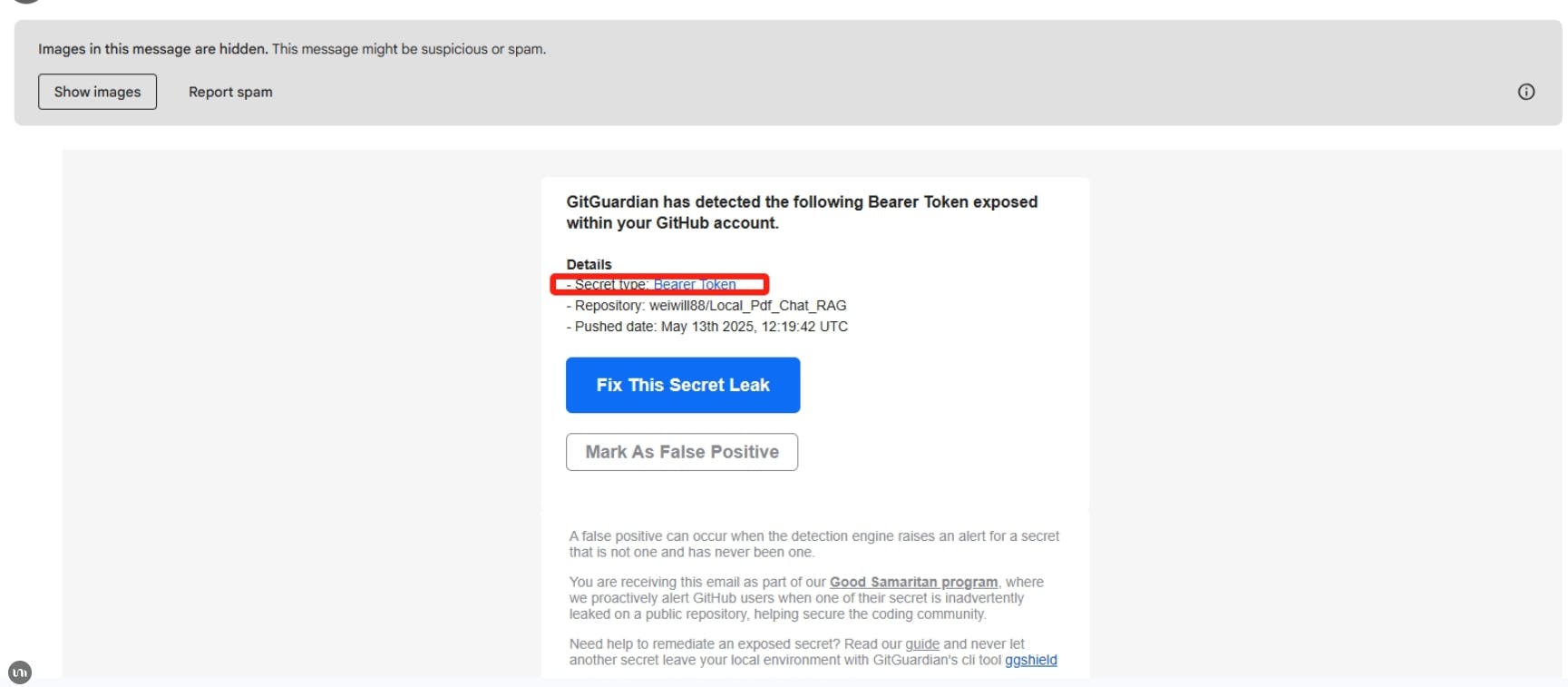
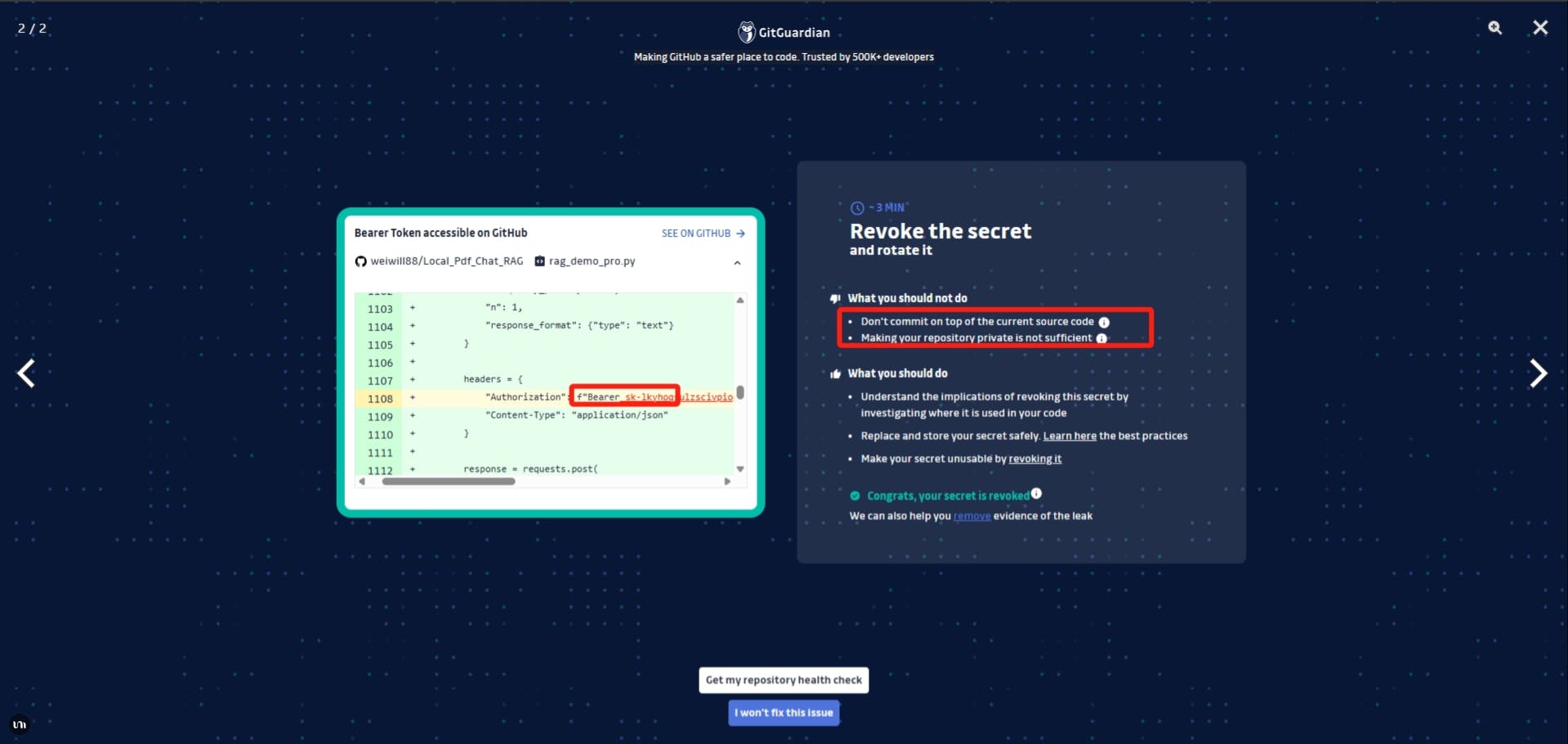
This morning I opened my inbox to find an alert from GitGuardian about a leaked key. My first thought: Great, another phishing email. Nearly deleted it on the spot. Then I realized yesterday when I was using Cursor to bulk-update my scripts, I d left the API key in plain text