On the web this argument stays theoretical, because there's always another menu. On a phone the limit is physical. The tab bar holds about five things, and everything past five sits behind a More list that almost nobody opens.
I build mobile apps, and I've shipped features that were used steadily right up until the day they moved into that list. Usage didn't decline, it stopped. What I still can't tell is whether that says something about the feature or only about the navigation, and the two point to opposite decisions: cut it, or promote something else to make room for it.
When you're past the limit, how do you decide what stays visible?
The tie-breakers I've used, none of which feel rigorous:
We got some pointed feedback on our site a while back vague messaging, screenshots that looked like mockups, trial terms nobody could actually find. It was uncomfortable to read, and it also turned out to be dead right. We spent a week tearing the whole thing apart and rebuilding it instead of just patching the parts people complained about.
That decision is what I'm actually curious about. A handful of comments pushed us into a full rebuild rather than a few tweaks. In hindsight it was the right call, but at the time it wasn't obvious it easily could've been one loud opinion instead of a real signal.
For other makers here: how do you tell the difference? Do you wait for a pattern across multiple people before you act, or does one sufficiently specific critique carry enough weight on its own? Curious whether people use any actual method for this or if it's mostly instinct built up over time.
A lot of people say they want to automate their trading, but they are sick of indicators. No more RSI to squint at, no more moving-average crossover to argue with at 2am. I spent the last eight months building and running a grid bot for exactly that itch, with small money on purpose, and I want to test what I learned here.
When someone says "no indicators," I think what they actually want is for the thing to predict nothing. An indicator is a guess about where price goes next.
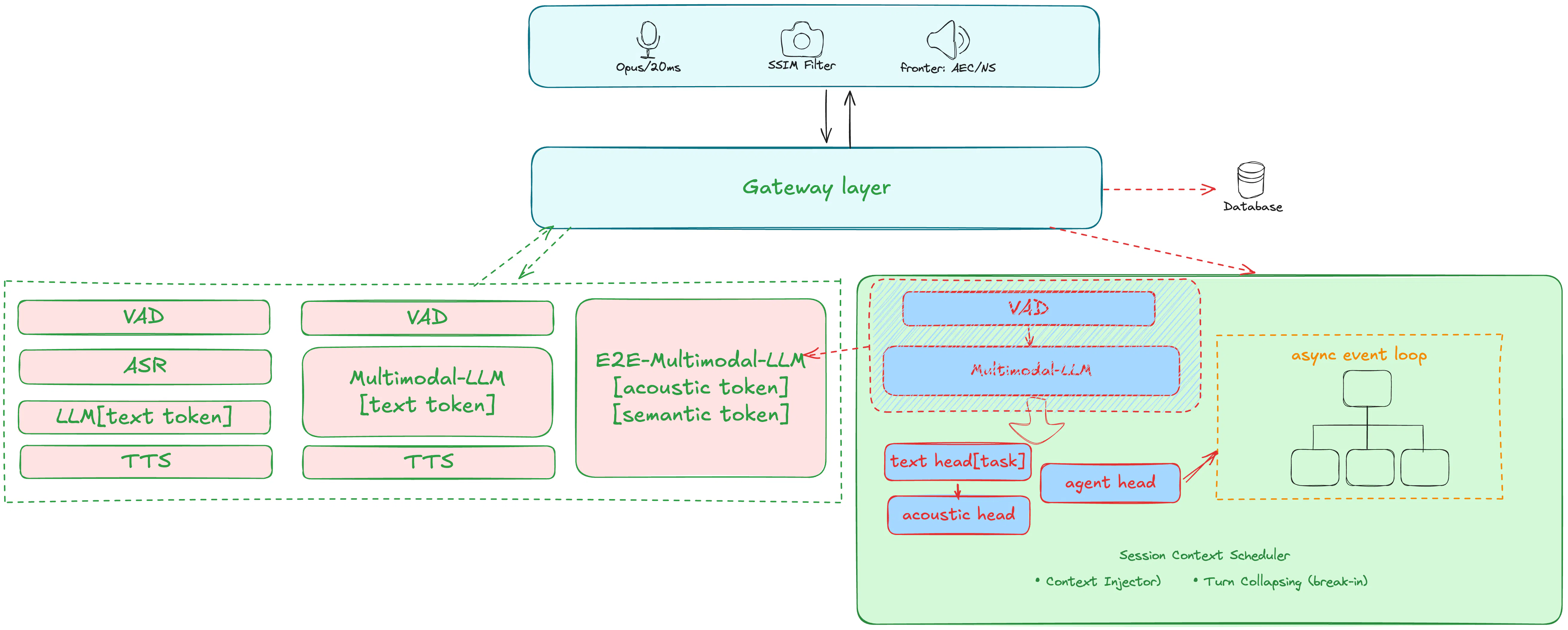
I've been designing a voice pipeline lately, and the whole design boils down to one idea: a dual-speed loop.
Fast loop: a multimodal decision model whose only job is to hold the conversational rhythm. Within ~200ms of you finishing a sentence, it responds whether that's answering, asking a follow-up, or just saying "hmm, let me check" is decided in real time.
Slow loop: a voice agent doing the actual work in the background searching, running tasks, anywhere from seconds to minutes. When it's done, it picks the right moment to jump back into the conversation, guaranteeing depth and quality.
A few things have me a little confused lately. My profile still hasn t been verified ( completed all recommended steps ), even though I ve noticed much newer and almost-empty profiles getting verified. Comments from users also aren t appearing on my launch, and my profile shows only one review even though I ve written several that are live on the products themselves.
I ve reached out to support as well, but responses have been pretty limited so far.
Engineering culture says document your limitations. Marketing culture says lead with your strengths. I keep seeing evidence for both: changelogs that openly admit bugs seem to earn trust, "known limitations" pages get cited approvingly in communities (and yet the competitor with the confident, caveat-free claim often still wins the comparison table).
So I'd love real stories from builders here.
Have you shipped something where you stated the limits up front: error margins, unsupported cases, an honest "this tool can't do X"?
What actually happened: did users reward the honesty, or did you just hand your objections to a competitor on a plate? And the reverse: has anyone overclaimed, gotten caught, and can say what it cost?