Hi PH. I'm Dana, solo founder from Ukraine. Today I launched EmberCine an AI film studio and a streaming platform in one. You make a film by chatting with a Director AI; every film is reviewed before it goes live; viewers subscribe; creators split 55% of net subscription revenue by watch-time.
We re building a conversation memory layer for meetings and calls - something that helps individuals and teams remember what was decided, who owns what, what needs follow-up, and where the original context came from.
A lot of tools can record or summarise conversations, but the real pain usually comes later: finding the right decision, remembering the next step, or knowing why something was agreed.
Building a product always comes with unexpected lessons. Whether it's UI clutter, confusing onboarding, or feature overload, we've all made a few design missteps along the way.
What s one design or feature decision in your latest project that you wish you did differently?
225 KP. 126 followers. Small numbers, i know. But the numbers aren't the point.
What actually surprised me: the smartest replies i got here weren't from the most followed people. They came from accounts with almost no karma, just people who actually read the thread and said something real instead of a generic reaction.
That broke an assumption i walked in with, that influence here correlates with insight. it doesn't, at least not as much as i expected.
No fancy background before this, built an audience from zero years ago, now building banalo.business. Not here to flex a journey, here because i think that observation is actually useful for anyone posting on this platform.
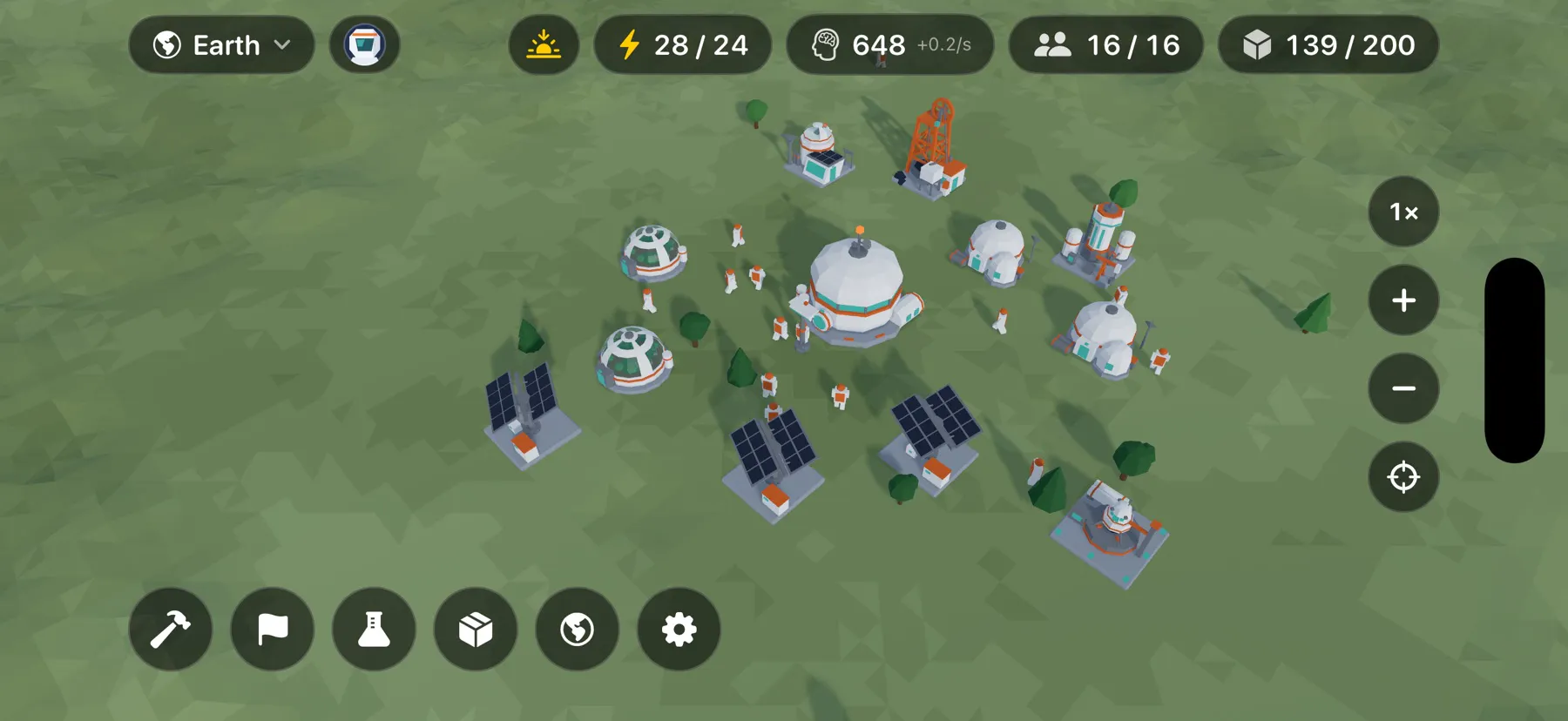
My game launched here today. It is a small colony builder for iPhone, and the thing people ask about most is that it has an ending.
Most builder games never end. This one does, because it tells a real story with a beginning, a middle and an end. You start on Earth with four people. You dig ore, build power, grow food, and research your way to the Moon and then to Mars. Each world has one resource the others need, so you run freight between them. The story ends when you send a fleet of probes out to the stars and your colonists go into a long sleep. What they wake up to is the ending. After that, the worlds are still yours to keep building.
I just launched ShareEasy today. The core idea: why should two devices on the same WiFi need to route files through internet servers just to share a photo?
ShareEasy transfers files locally at full WiFi speed no internet, no account, no size limits. Works across Android, iOS, Windows, and macOS.
I'm the creator of ApproachMe, based in Atlanta. The app helps adults signal that they're open to meeting people nearby: choose when to be visible, send a Wave, and connect when the other person accepts.
The app gets occasional downloads. The challenge I'm trying to solve now is getting people in the same place to try it together, so the nearby experience has a chance to be useful.
I'm considering a small Atlanta pilot with a social-event organizer. For anyone who has grown a local community or an app that depends on nearby users: what helped you get that first group using it together?
I'd also welcome feedback on whether the website makes the experience clear before downloading.
I've been building Shaks a lightweight, mobile-first CRM that uses AI to make sure you never drop the ball on a follow-up again.
The problem: Consultants and solo founders are great at closing the first conversation, but terrible at the follow-through. Leads go cold because there's no simple system to track who to nudge, when, and with what.
Hey, I m Matt, the maker of Skeleton Draft. After 25 years of writing and refining my process, I built the tool I wanted for my own work.
An outline can tell you where a story is going. Keeping it connected to the scenes you re actually writing is another challenge. Skeleton Draft grew out of how I work through that relationship between story and structure.