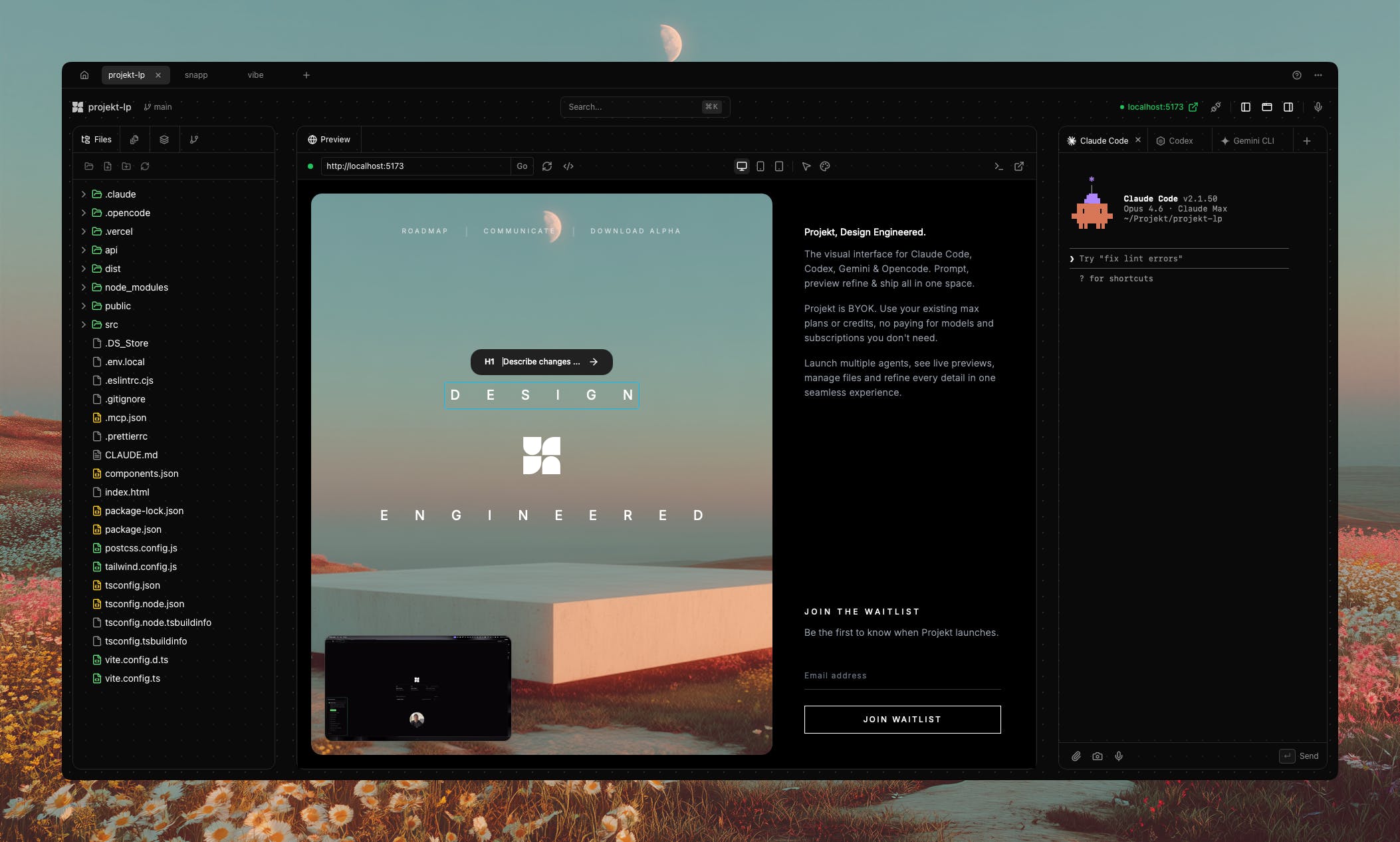
At the end of last year, I completely fell in love with using Claude Code. After I found out how accurate it was in translating my context into functional products. I was hooked and immediately launched two products Vibe & Snapp However, I quickly realized that there was an opportunity to improve the building experience that IDEs didn't quite address? I wanted a very simplified IDE with the quality of life improvements that a lot of no-code tools gave you but without the lock-in they seem to have and agnostic to my stack.
We re the small team behind Nuyo, an app that creates personalized walking routes around Manhattan based on your interests, location, and the time you want to spend exploring.
I ve seen a lot of VR and AI projects in healthcare get rejected or ignored on Product Hunt because they lead with technology instead of learning outcomes. So I want to approach this differently.
This Idea Usher review looks at VRion Lab, a virtual reality based learning platform designed to simulate science and healthcare labs when physical infrastructure is limited. I m not posting this as a launch or a showcase. I m posting it as a discussion about where VR genuinely works in healthcare education and where it doesn t.
The real problem VRion Lab is trying to solve
In healthcare and science education, the biggest bottleneck is not content. It s access.
I kept seeing people at thrift stores photographing items to Google them one by one. It takes forever and the results are unreliable.
So I built Estimatik: snap a photo of any secondhand item AI identifies it, assesses condition, and gives you a resale value range on eBay. 10 seconds, no manual research.
Launched a waitlist for RecoveryAI AI coaching from your actual data (strength, load, sleep), not cookie-cutter plans. First 500 free for life. Would love any feedback: https://recoveryai-landing.verce...