Many buildings should not adopt AI yet. Faulty sensors, weak control sequences, inaccessible trend data, and neglected maintenance will undermine even a strong model. Adding intelligence can automate poor decisions and obscure their cause.
The answer is to treat AI as a governed supervisory capability. The existing building management system, or BMS, should continue to run deterministic controls and safety functions. AI should operate above it, interpreting data and recommending bounded actions.
This changes the investment case. The board is deciding where better decisions can produce measurable value, what authority software should receive, and what evidence is required before that authority expands.
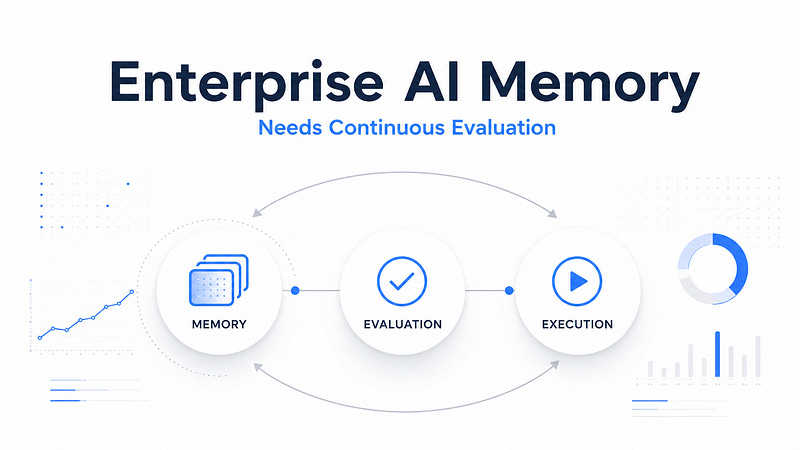
Most enterprise AI initiatives struggle to transition from pilot demonstrations to mission-critical production. When autonomous systems fail in enterprise deployments, executive post-mortems typically blame stochastic hallucinations in the foundational language model. In reality, the primary failure mode stems from unmonitored degradation within enterprise AI memory architectures.
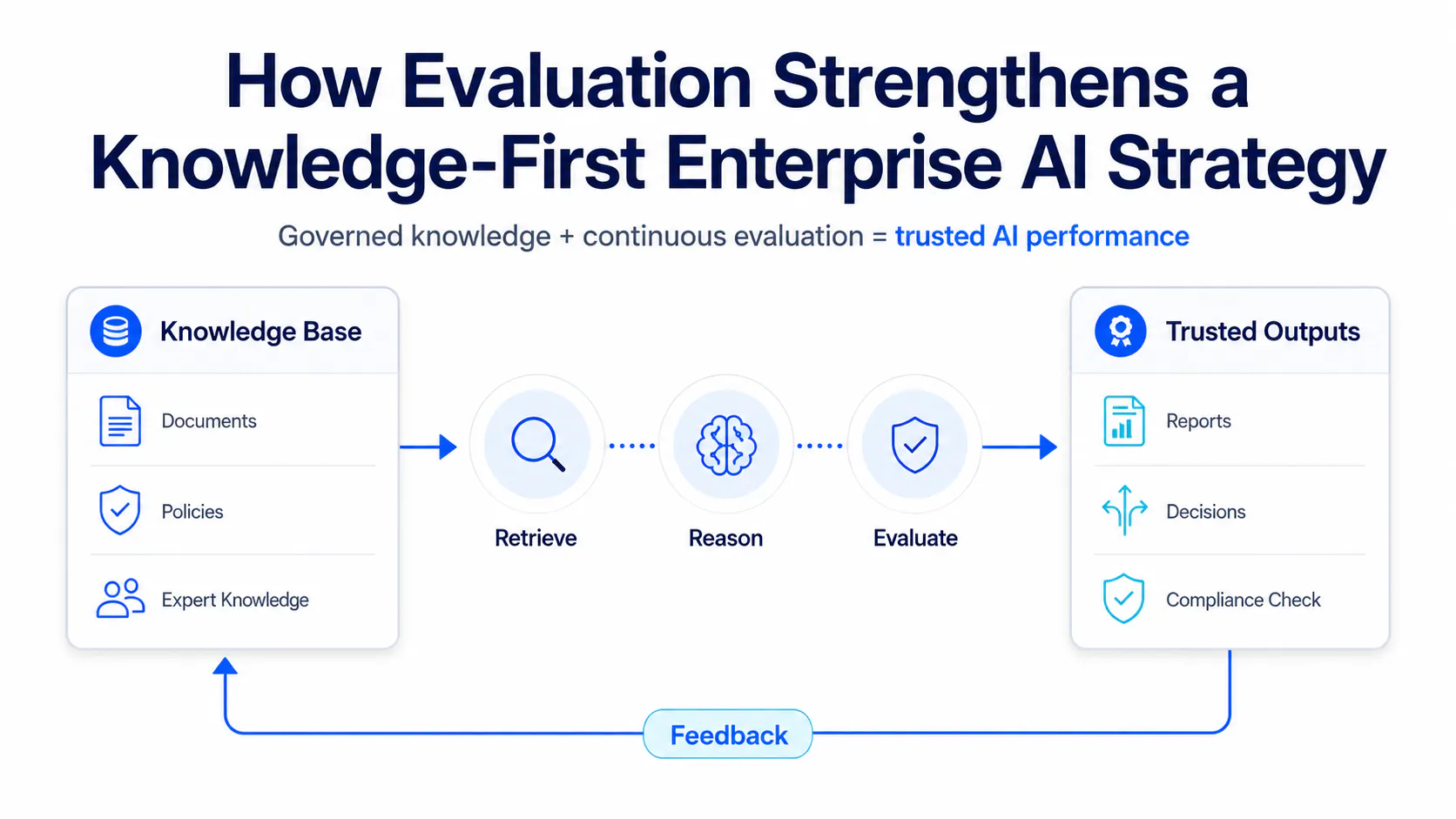
Enterprise leaders have good reason to be skeptical of adding another evaluation layer to AI systems. More tests can increase cost, slow releases, and create another set of metrics for teams to manage. LLM-based evaluators also introduce their own errors. Research has documented position bias, preference for longer answers, and self-enhancement bias when language models judge other models.
The response should not be more evaluation for its own sake.
The strongest argument against adding more evaluation to enterprise AI is simple: if the system retrieves information from an approved corporate knowledge base, why spend additional compute and engineering effort checking its answers?
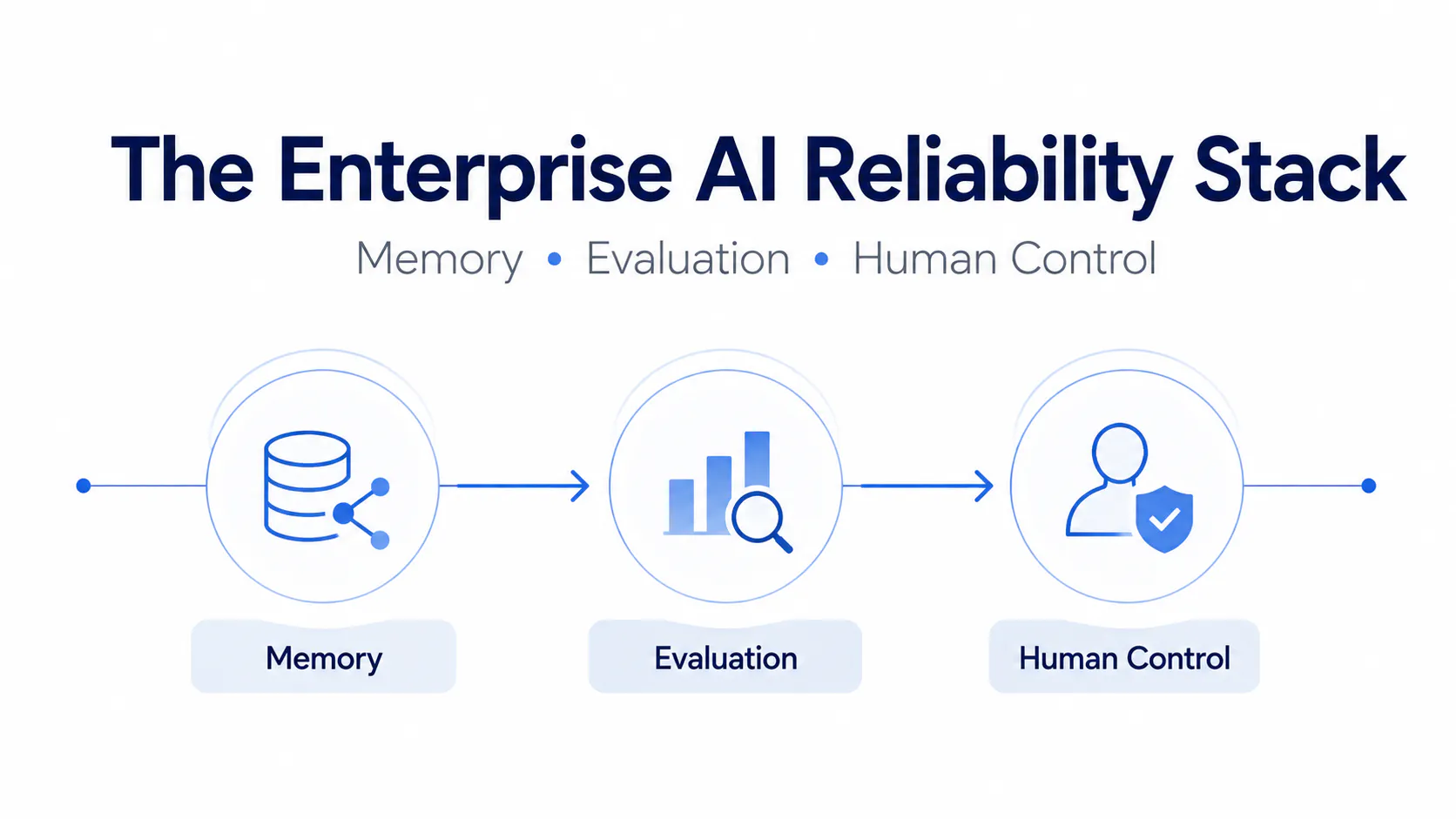
Enterprise AI becomes more useful when it can access organizational knowledge. It also becomes harder to govern. Reliable performance depends on connecting memory, evaluation, and human oversight into one operating system.
A common view is that AI evaluation belongs to engineering, while AI memory belongs to data architecture. That division looks efficient. It is also a governance flaw.
Once an AI system can retain customer context, prior decisions, user corrections, workflow history, or operating rules, yesterday s output can influence tomorrow s action. A weak answer is no longer a one-time quality issue. It can become stored context, shape another recommendation, and spread through a business process.
They need a better system for deciding what deserves attention, what requires action, and who owns the next move.
This distinction matters because information overload is often misdiagnosed as a document problem. Companies respond by adding dashboards, search platforms, reporting tools, and AI assistants. These systems make information easier to access, but they do not always make decisions easier to reach.
The strongest argument against adding more governance to enterprise AI is simple: governance slows execution.
AI markets move quickly. Competitors are launching new services, employees are adopting generative tools, and business units are under pressure to automate. Adding investment committees, approval gates, and portfolio reviews can look like a return to slow corporate decision-making.