


Is product-led growth actually harder to pull off in 2026?
PLG was the backbone of some of the fastest-growing companies in history.
Slack grew by making team invites frictionless. Dropbox gave you free storage for every referral. Zoom let you host 40-minute meetings without a credit card. Those models worked because reducing friction was enough.
But in 2026, it's not. It's much harder. AI has raised the baseline for what users expect from day one. Not "easy to use" but value in under 60 seconds. Magic on the first click. Great onboarding. If your product doesn't deliver that, users don't complain. They just leave. No more than 30-60 seconds to convince them to stay.
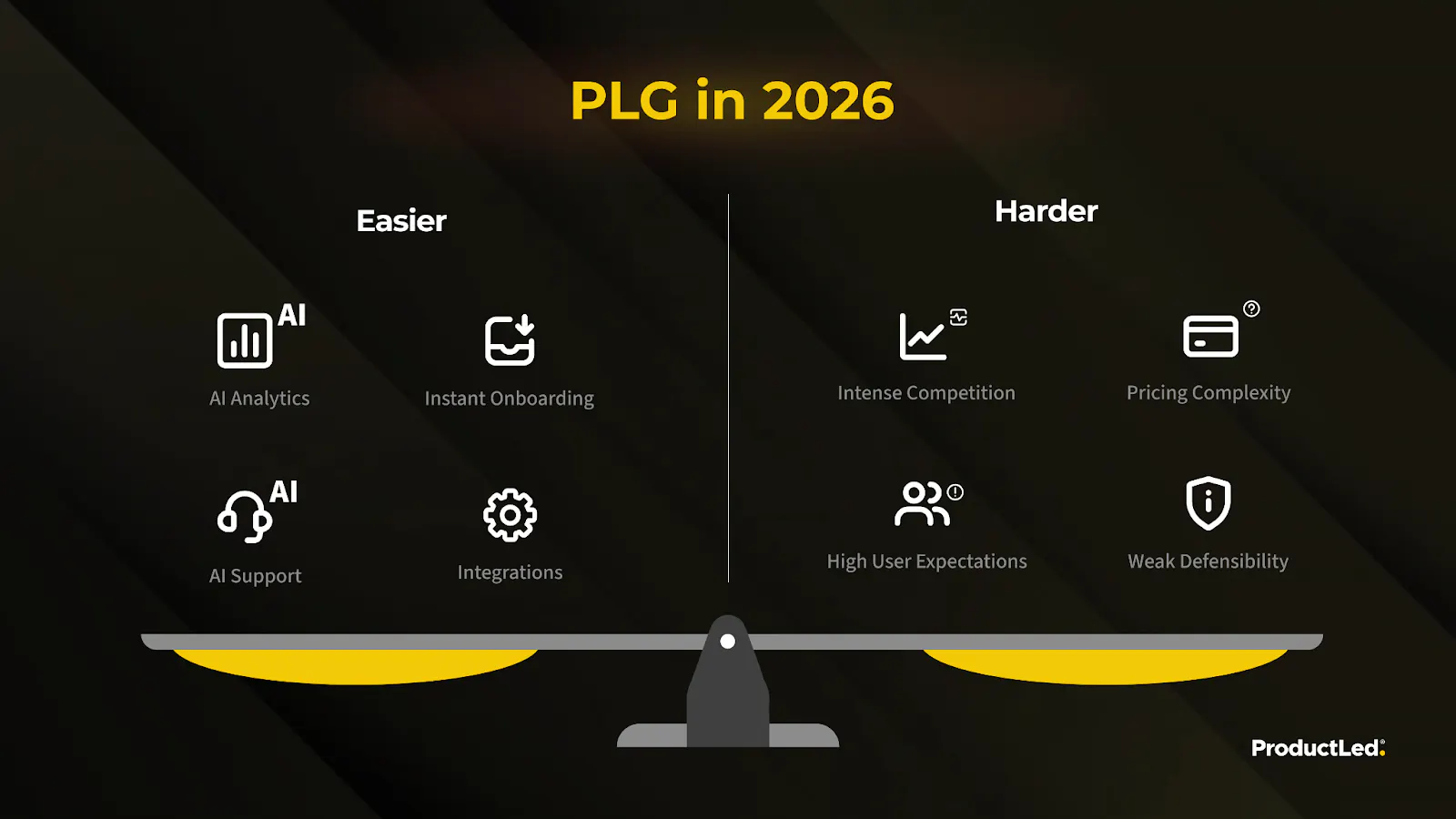
The competition side is just as brutal. AI has lowered the cost of building so dramatically that any successful PLG mechanic gets cloned within weeks. The moat that used to be "we built this first" is gone.
The products winning today (Cursor, Lovable, Gamma) reduce the friction plus letting users edit AI outputs instead of building from scratch. A fundamentally different value proposition.
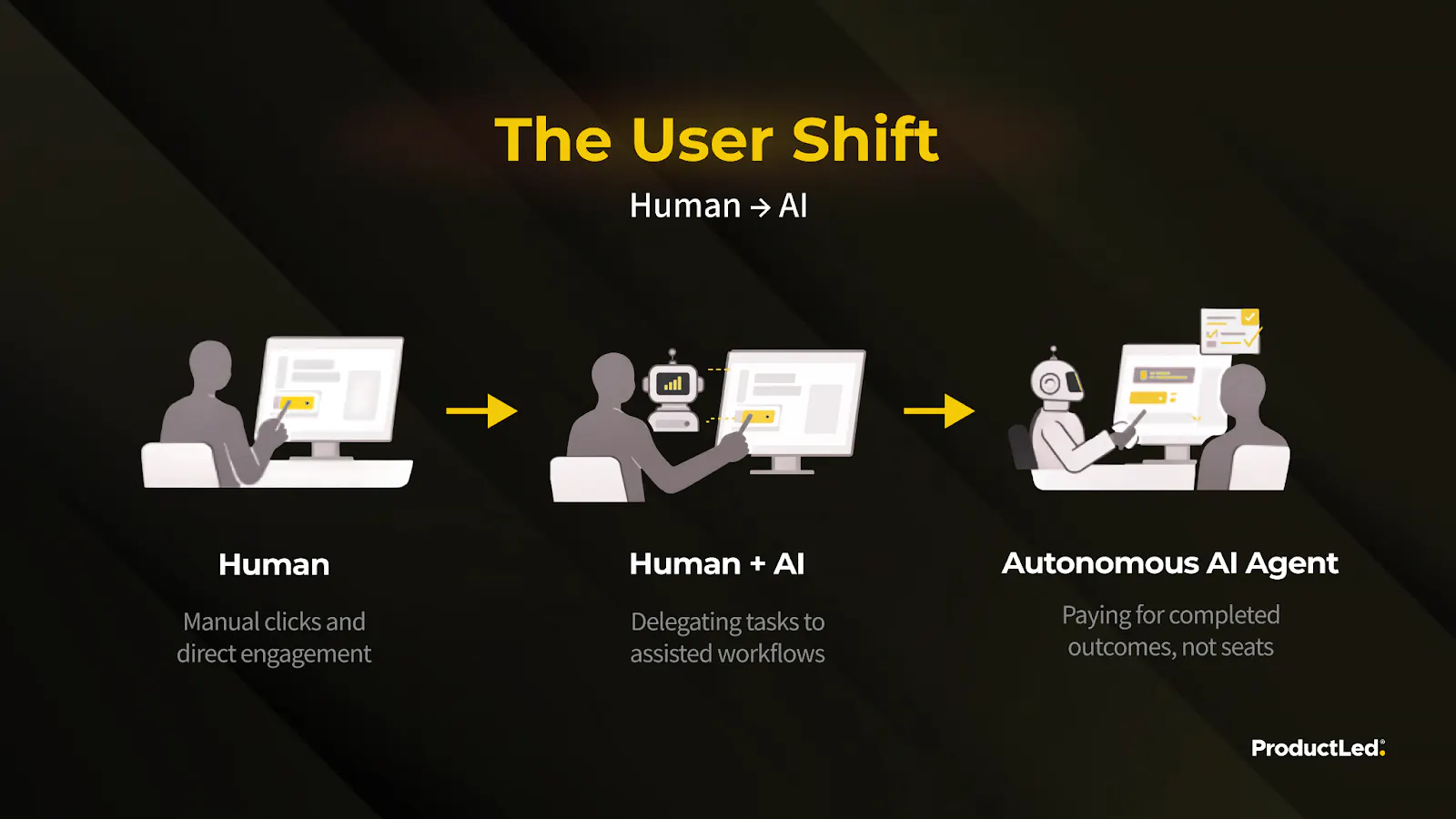
So the question for builders is:
Is classic PLG (freemium, viral loops, self-serve onboarding) still a viable strategy in 2026?
Or has AI made it obsolete for most categories?
And if you've launched a PLG product recently. What actually worked?
Replies
This is something our team thinks about constantly and building an AI-powered SaaS makes it feel even more acute.
The bar has shifted. Users don't compare you to your direct competitors anymore. They compare you to every great AI experience they've ever had. That first 60 seconds isn't just onboarding your customer, it's also your entire argument for existing.
Where we've landed (for now, at least) is that classic PLG mechanics aren't dead, but they need a new engine underneath them. Freemium still works but only if the free experience actually delivers the "aha" fast enough. Viral loops still work, but only if there's something worth sharing. The skeleton is the same but what's changed is how little patience users have for anything that feels slow or generic.
But curious whether others are finding that the "aha" moment itself has become the main growth lever rather than the referral or the freemium tier around it.
Right now, in the AI‑driven landscape, product‑market fit is a constantly shifting target rather than a milestone you “finally” achieve once and for all. You only ever validate it iteratively over time by checking whether your product still truly matters to the audience you're building for.
AI has massively shortened the cycle for re‑evaluating that fit, because markets, expectations, and competitors move much faster than before.
Take Lovable and Gamma: both launched with a narrow focus, but are now racing to redefine themselves. Gamma began with presentations and is now trying to encroach on Canva’s territory, while Lovable started with websites and is expanding into general‑purpose AI agents.
This shows that it is no longer about “staying in your lane”, everyone is trying to become a super‑app in their category, doing as much as possible for the user after they cross certain scale.
One‑trick ponies are disappearing. The moment these products sense they are slipping in their core niche, they immediately push into adjacent categories to regain traction.
Word-of-mouth whether organic or orchestrated has become the new relevant PLG strategy.
I believe PLG still works, but the bar has shifted. Frictionless signup used to be enough, but now you need frictionless value, which is a much harder problem.
We launched CoreSight last year and only relied on Product Hunt and Reddit without investing in ads or other marketing tactics. We quickly reached 1,000+ users on our free plan, but I think this worked because we started with an MVP that was good enough to share and picked the right distribution channels for our audience.
I honestly hadn’t thought about it that much. I just assumed that if the product is good, it will naturally grow.
But the idea that you need to show all the product’s value within one minute or even in a single moment definitely makes me think. Thanks.
Well I feel, the bar to be better or relevant is going to keep increasing with AI innovations, if some can create a usable version with AI for free in minutes with prompts then it is going to be difficult to market stuff with older mindsets. New AI innovations need new marketing techniques.
Flavored Resume
AI makes it easier to launch products however you still need good product sense to create products people actually want. The barrier to entry is lower but that doesn't mean the value of the products solve real problems effectively.
I've encountered good looking platforms with a product that doesn't work particularly well. Sort of "lipstick on a pig" type scenario.
Another common issue is the business behind the product. What's your pricing, how do you delight your customer, how do you keep them coming back?