A few of my consulting clients have their teams using my products every day. So feedback shows up fast, and I usually get requests done the same day.
I've come to think the best thing you can do early on is get your heaviest user on your side. In my case the first heavy user was me, and the client teams came next.
How fast do you usually act on feedback from your users?
Happy #StarWarsDay! Below are my must-read resources on dark mode. What are yours?
A Complete Guide to Dark Mode on the Web
How to design delightful dark themes
The Ultimate Guide on Designing a Dark Theme for your Android app
Design for the Dark Theme
8 Tips for Dark Theme Design
How we created a dark UI for GitLab's Web IDE
The Complete Guide to the Dark Mode Toggle
Material dark theme, to design a dark theme version of your Material UI
Themer, a Figma plugin that helps you quickly swap themes from your styles
Manage Light and Dark themes from design to code
Over to you! What are the best resources you've read on dark mode? And if you enjoy this list, make sure to star this repo full of hand-picked resources, tools, and examples to build awesome products in dark mode. #MayThe4thBeWithYou
I had a customer who never complained. Used the product daily for two years. Never opened a ticket, never sent feedback, never asked for anything.
Then they cancelled. No warning. No explanation I could see. I emailed them asking why, mostly out of pride, and they told me something I still think about.
Over the past few months, I've noticed that AI coding tools are excellent at generating code, but they still struggle to keep context across larger projects. That often means spending time re-explaining the codebase instead of moving faster.
I'm curious whether others have noticed the same thing, or if you've run into different limitations. What's the biggest issue you've experienced?
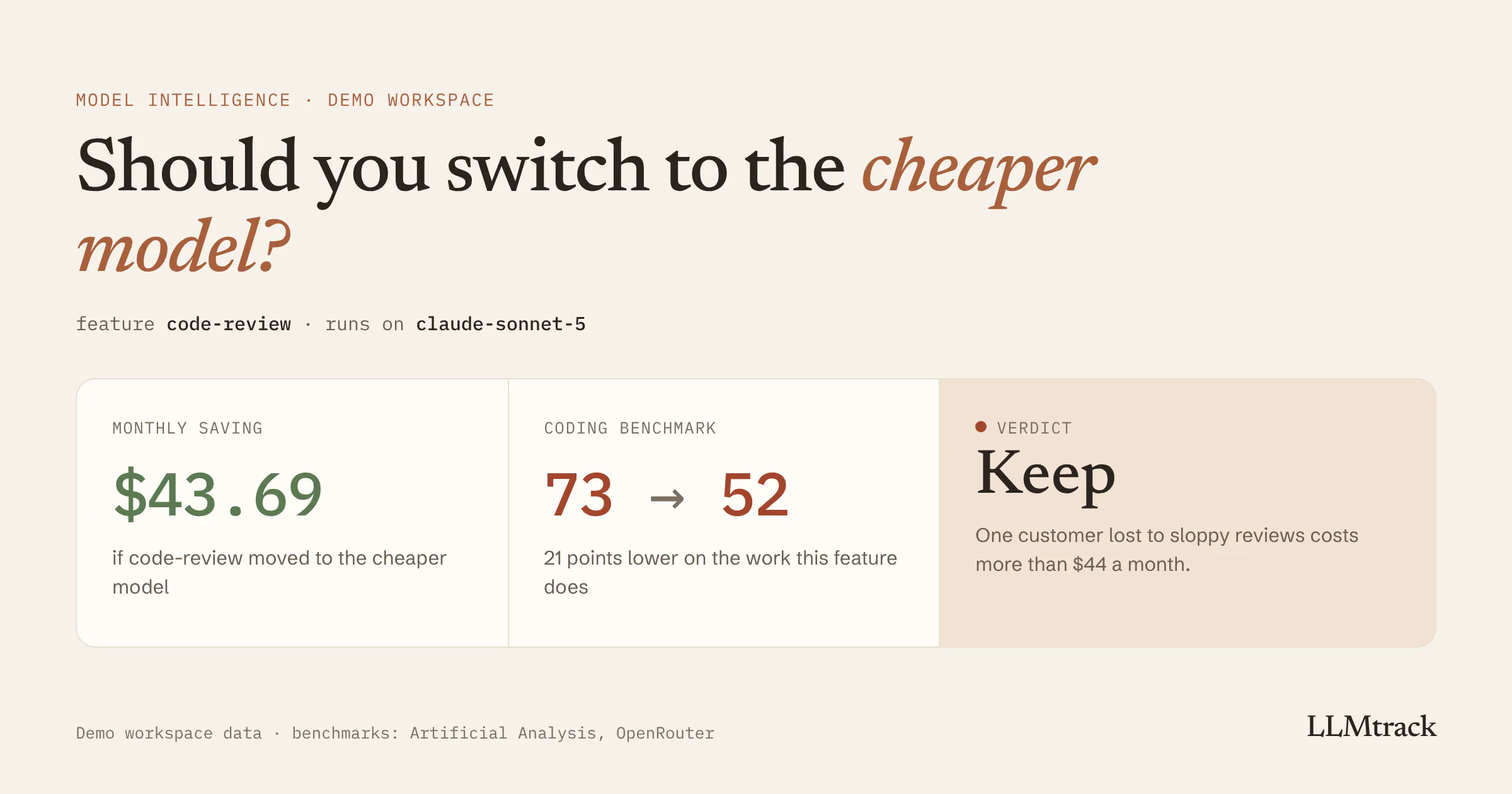
Within one provider, the cheapest and most expensive model tiers can be about 20x apart per token. So once one AI feature is most of the bill, moving it down a tier looks like free money.
The saving is easy to work out: price the feature s real token counts on both models and subtract. What you give up is harder to see. Overall leaderboards average across very different tasks, and a model can rank well overall and still drop sharply on the one thing your feature does.
Sometimes you spend weeks fixing backlogs clearing debt or narrowing focus without shipping a single new feature. Visible progress looks like zero on the dashboard but the underlying product gets way stronger.
It's easy to feel guilty when there's nothing new to announce or post in a changelog even though that cleanup work was totally necessary.
How do you measure progress during periods where you're fixing internal stuff instead of launching new features?
I saw an article on TechCrunch discussing Cluely (created by Chungin Roy Lee and Neel Shanmugam).
TL;DR: The AI tool, originally developed to cheat on software engineering interviews, now helps users cheat on exams, sales calls, and job interviews through a hidden in-browser window. And now has raised $5+ million.