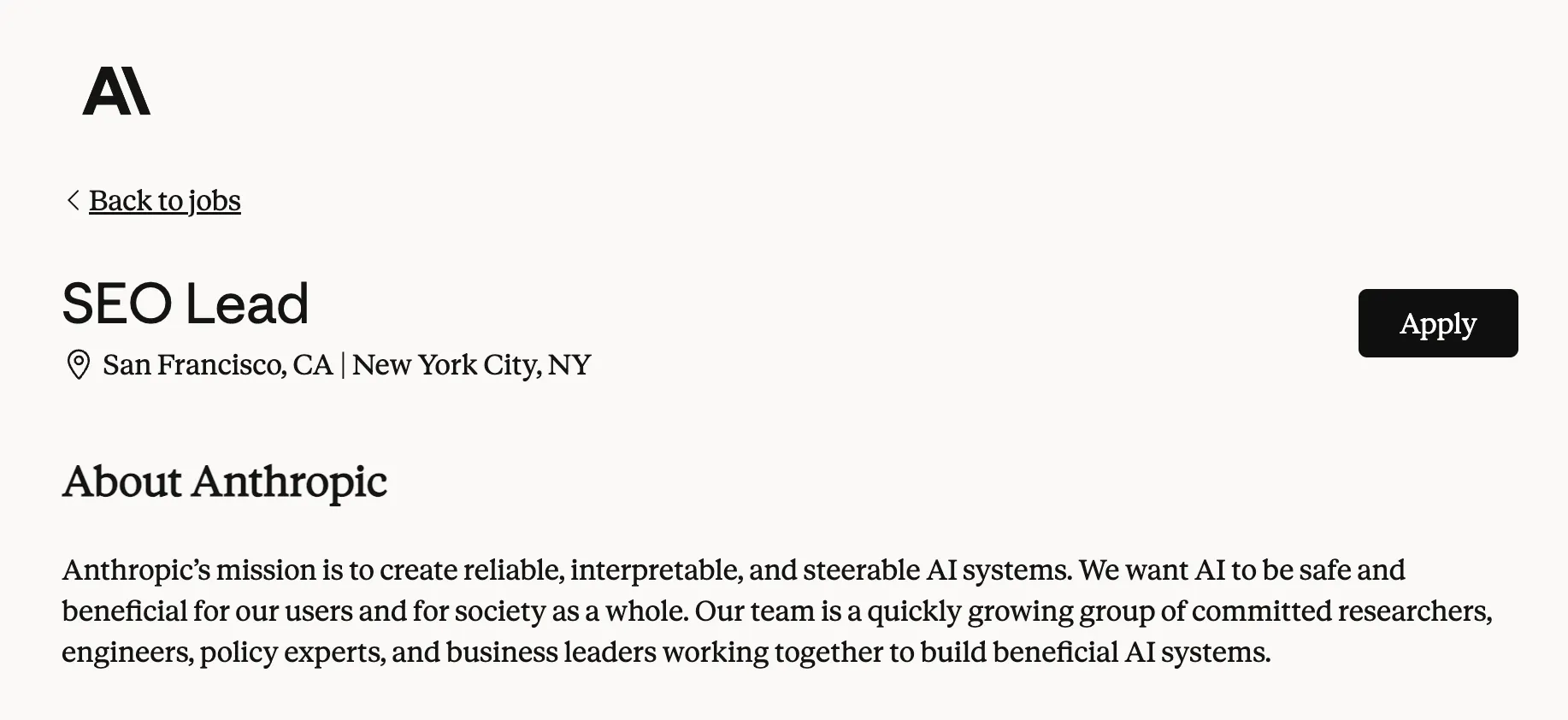
The biggest AI companies are hiring senior SEO talent. OpenAI brought in a search leader from Netflix. Anthropic is offering $320k for an SEO Lead. Meta has roles at $300k
The same companies building the tools that were supposed to "kill" search are now investing in understanding it.
This is not a coincidence. When the companies that build LLMs pay top dollar for search expertise, they are telling you something: Organic visibility is becoming a strategic moat . The companies that win will be the ones that understand how search and AI discovery work together
AI is not replacing SEO. It is redefining it. The discipline is shifting from rankings to citations, from click-through rates to answer engine optimization. The fundamentals have not changed. The skills have evolved.
I have been looking at what is actually getting traction on Product Hunt right now. The pattern is clear.
In March, OpenClaw products dominated the leaderboard. Anything with "Claw" in the name got votes. That was a land grab new space, everyone rushing in to claim a spot .
In April, that stopped. The "just build an agent" strategy stopped working. What replaced it? Products that do specific tasks inside workflows you already have .
I spent the last two months analyzing Product Hunt launches. Not the upvotes. The patterns behind them.
Here is what the data says.
The first hour is not the most important hour.
The top 10% did not have more upvotes in the first hour. They had more comments in the first hour. Comments signal engagement. Upvotes signal approval. Engagement carries more weight.
Backlinks are still one of the strongest signals Google uses to judge whether a page deserves to rank . But the math changed. Google's December 2024 and October 2025 spam updates devalued link networks, paid placements, and AI-generated guest-post farms . The old volume play is dead. The new play is about quality, relevance, and context.
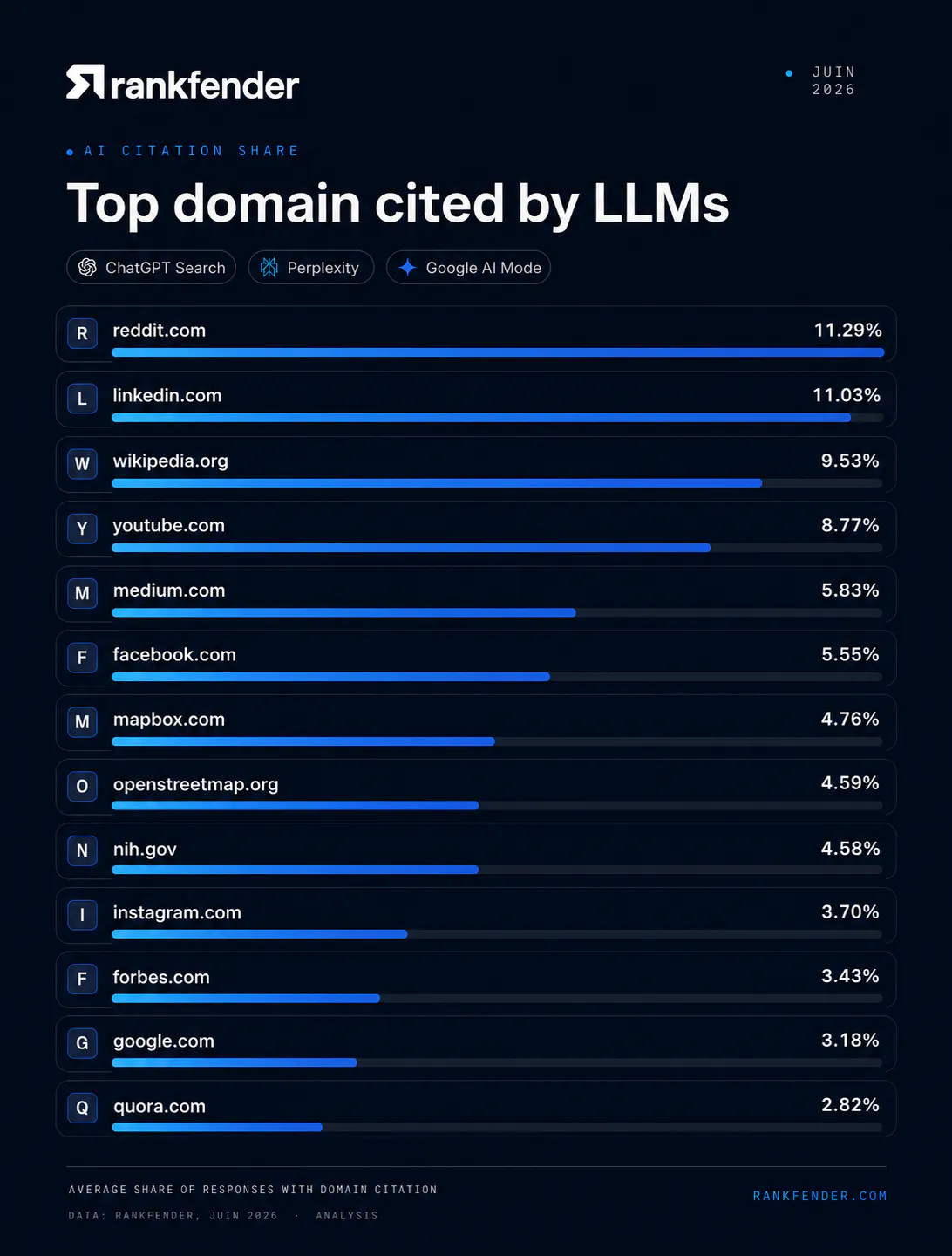
In the age of AI search, backlinks influence visibility differently. They act on the retrieval layer the live search index that grounds AI answers rather than the model's frozen training weights . A domain's Authority Score correlated with AI mentions at Pearson 0.65, according to a Semrush study of 1,000 domains tracked across five AI surfaces . Raw backlink volume correlated far more weakly.
There is a point in every product's life where it crosses a threshold. The person who built it can still explain it. But the person who just joined cannot.
The complexity is not in the code. It is in the context. The decisions that were made. The compromises that were accepted. The edge cases that were built around. The technical debt that was deferred.
No one writes those down. They just become the way things are.
The threshold is crossed when the product can no longer be fully understood by one person. Not because the person is less capable. Because the product has absorbed too many decisions that no one remembers making.
Rankfender is now a legally registred Start-up in Greece. https://registry.elevategreece.g... We're applying for the EIT Co-Creation Accelerator 2026-2027 a European innovation program . We need a Challenge Partner: a European company that's been impacted by the shift to AI search (ChatGPT, Perplexity, Gemini...) and needs help improving visibility.
What you get:
1 year of Rankfender for free full access to track and improve your AI visibility
Hands-on help we'll work directly with you to fix how your brand appears in AI answers
Your company cited as a co-creator of a European innovation project